Posts tagged needs
Surviving → Redirecting Year-End Season


written by Linda Lin, RCC RCAT

Year end / holiday stress is so real. 


Many of us enter December already depleted, with our numbing or protective safety behaviours running on overdrive.


So I wanted to write a newsletter to validate some of these experiences and patterns I’ve been noticing. 


These patterns can be so familiar that they often go unnoticed, even when we know this season feels heavier than it appears from the outside.


Please note that language I use may sound ‘too clinical’ so if you’d like to personalize with different language/words to describe similar things, go for it!

The end of the year often asks us to push through exhaustion, emotions, and (over)stimulation.


This time of year often stirs up financial pressure to find the perfect gifts, brings complicated interpersonal or family dynamics to the surface, and encourages us to wrap things up or end on a high note. 


It’s easy to become overstimulated by end-of-year sales (side note: did you know we can be exposed to 4,000 to 10,000 ads a day?), while juggling invitations and obligations, both external and internal, and navigating feelings of isolation when we’re “supposed” to feel joyful, restful, and connected. 


The stress can affect our body weeks or even months before anything actually happens at all.


A lot of us are going through this month with our safety behaviours activated. These behaviours help us numb or cope with discomfort so we don’t have to fully feel or process it. 


Safety behaviours are any acts that reduce distress in the short term by anticipating or preparing for the worst, often increasing our perception of fears. They can be very sneaky, work alongside anxiety, and often go unnoticed, leaving us feeling confused, lost, and overwhelmed.

Some examples of safety behaviours I’ve noticed (not exhaustive!):

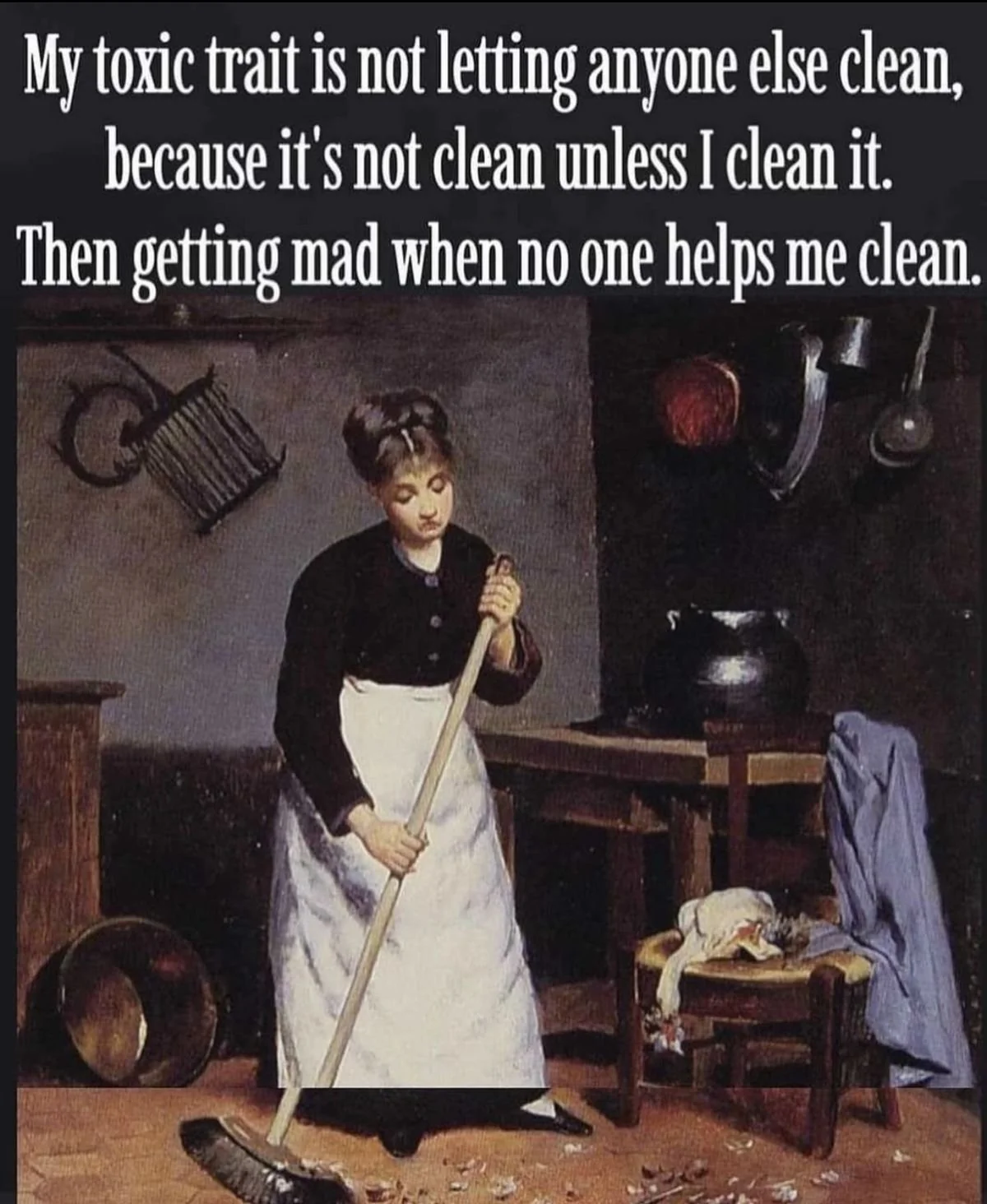
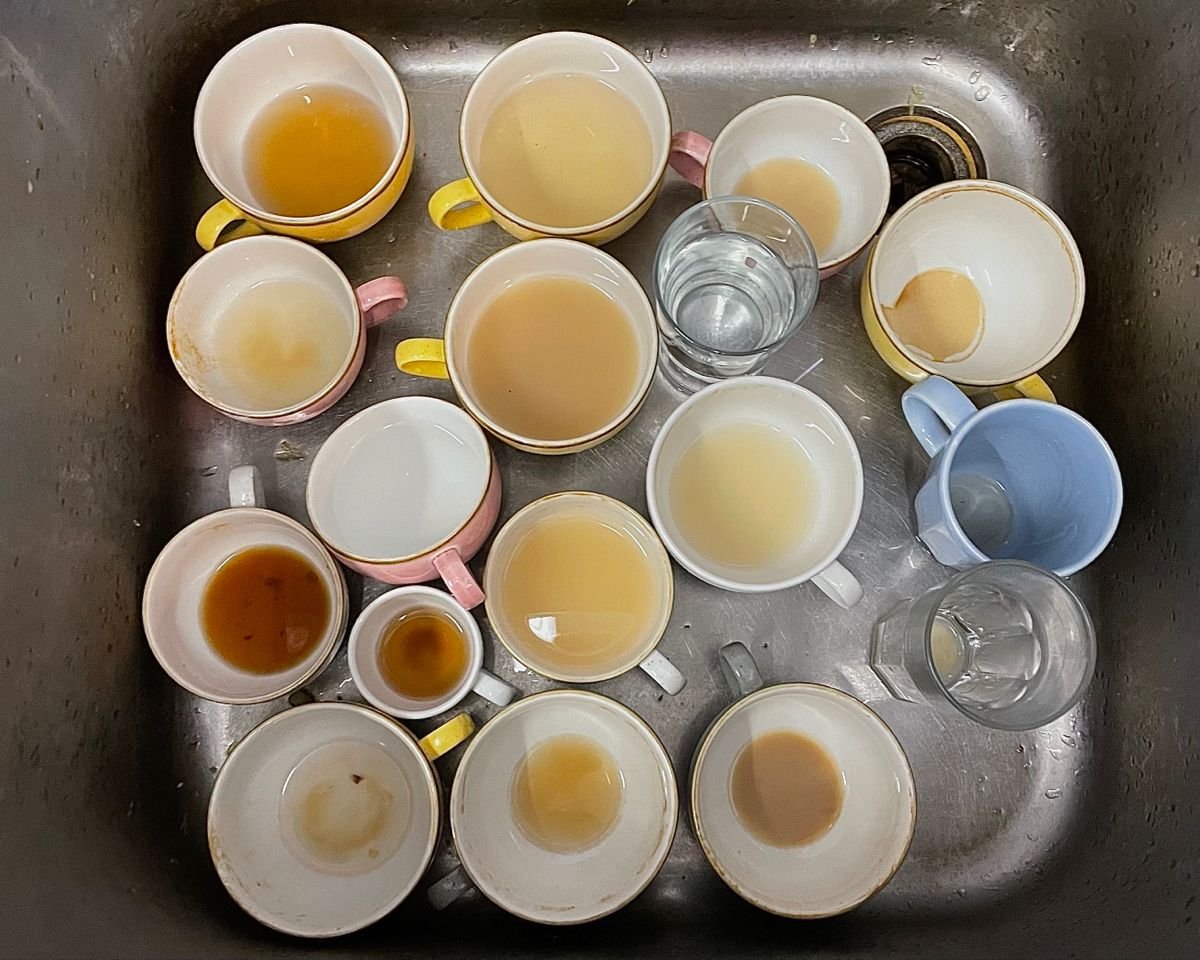
  • Overcleaning or working overtime

  • Bed rotting but not allowing for true rest

  • Frozen in doomscrolling

  • Retail therapy or overconsumption

  • Comfort eating, or restricting/picking/counting/purging, or obsessing over food/”health”/body

  • Exercising excessively with little to no recovery

  • Always trying to fix ourselves without ever celebrating our wins

  • Avoiding conflict by pleasing others (while we have no idea what our needs are)

  • Rehearsing how situations will play out at future gatherings

  • Replaying something you said or something unresolved over and over in our mind

  • Hyper-vigilance or hyper-independence that feels “right”

  • Fixating on rigid routines that fuel perfectionism

  • Harsh internal dialogue when routines are disrupted or our goals aren’t met

  • Numbing with something because you feel distressed or irritated at ourselves, others, systems, or the world

  • Exhaustion from masking or showing up performatively at gatherings

  • Texting back immediately even when we have no more capacity, or the latter, avoiding texting back for weeks

  • Seeking reassurance from others for most decisions we need to make

  • Intellectualizing or over-analyzing everything.

Good news is that there are patterns / wiring that we start to become more aware of! 

Here's what safety behaviours have in common:

  • Coping, not processing: They keep us “safe” momentarily, but not in the long term.

  • They play on our fears: Safety behaviours increase our perception of existing fears. They make fear feel more intense or obsessive, rather than helping us heal from it.

  • They respond to urgency: Acting “before the shoe drops,” safety behaviours turn anxious thoughts into rules, rituals, or compulsions in the hope of preventing a consequence. These can be physical actions, mental acts, or rigid routines we feel we have to do in the moment—or else.

  • They've worked before: At some point in history, these behaviours helped you cope and feel safe. That’s why they’re so familiar, and may even feel safe and comforting.

  • They dislike uncertainty: Safety behaviours often show up when situations are unpredictable, unresolved, or ambiguous.

Some practices I’ve been using for long-term care and support instead of safety behaviours:

  • Catching, disengaging, and redirecting from my safety behaviours toward what actually matters. For example a fear I’m working through, always feeling responsible for my team, is gradually being redirected into the belief that I am becoming a stronger leader and team member.

  • Making, creating, or crafting something with my hands (great for slowing down). 

    Enter our giveaway to drop in access to Off Screen Hours and an art journalling kit here: a special collab with 1912 Amax Stationery.
     

  • Reducing screen time on my phone, using apps like Opal to block distracting social media during the week for more mindful consumption.

  • Allowing 15+ minutes of boredom each day to check in with my nervous system and mind-body.

  • Eating food that keeps me satiated, exciting, and simple (base repetitive, toppings rotated!).

  • Moving in ways that make me feel strong while allowing ample recovery time. Lately I’ve been enjoying low-impact, high-intensity workouts (iykyk!).

  • Inviting friends to do mundane activities: dog walks, grocery shopping, co-working, cooking a meal together, or asking them for help (this one is huge for me).

What have you been practicing? 

Below I'm sharing my fave reflection questions that really help slow me down (fyi they can go deep)!

Since we tend to be reflective during this time of year, I’m inviting us to journal, discuss with a good friend and/or make some art to check in with ourselves if safety behaviours have been showing up.

Get your tea, pens and stickers ready!


• What signals do my body give me when I feel safe, and when I feel overwhelmed?
• What are my safety behaviours? List them out and try calling them out. (see above for some examples)
• What are my go-to ways of avoiding or distracting from conflict or discomfort?

• What feelings have been harder to feel lately?
• Are there parts of me that learned to stay quieter/numb/unnoticed to stay safe?
• What does this protective strategy/response want me to know?
• Where do I notice myself toning down or editing parts of who I am, especially around others this season?
• What has it taken for me to arrive here, and what needs acknowledgement and care?


In a society designed to keep us numbing, with no time to slow down, where rest is mistaken for laziness and bursts of anxiety are mistaken for productivity, our awareness is rebellion. Slowing down to notice our limits, finding ways out of misery and fear, and understanding our grief are acts of resistance. And this resistance doesn’t have to feel endless or scary.


If you’re needing some extra love and support navigating these complex experiences, our team is here for you!


May this season of reflection lead us to explore moments for rest, awareness, and connection to support us into the new year. Take good care, First name / friendsee you in 2026 ♡


Sincerely, 
Linda


Enter our giveaway before the end of the year (Dec 31st, 2025) for a chance to win: 
📓 Drop-in access to weekly Off Screen Hours (Friday workshops until Feb 2026)*
🖋️ An AMAX journaling kit — Hitotoki notebook + Pentel brush pen set


Friendships: choosing each other in a culture that doesn't


from our newsletter, written by Linda Lin, RCC, RCAT

Growing up my grandma who raised me always said, “friendships and learning to connect with others help us cross the bridges of life” 🪷 ୧ ‧ ˚ (this is roughly translated to English)

A couple of decades later, I find myself circling back to her wisdom, because building connections and friendships is active resistance to capitalism and individualism. Friendship is a refusal of a culture that tells us to stay polished, self-contained, hyperindependent, and endlessly ‘productive’.


But here’s the question, how do we actually build real friendships when we’re swimming in a culture that glorifies capitalism, perfectionism, and even buying into community, when it's dressed up as 'self-respect'?


via Pinterest

-`♡´- -`♡´- -`♡´- -`♡´- -`♡´- -`♡´- -`♡´- -`♡´- -`♡´- -`♡´-

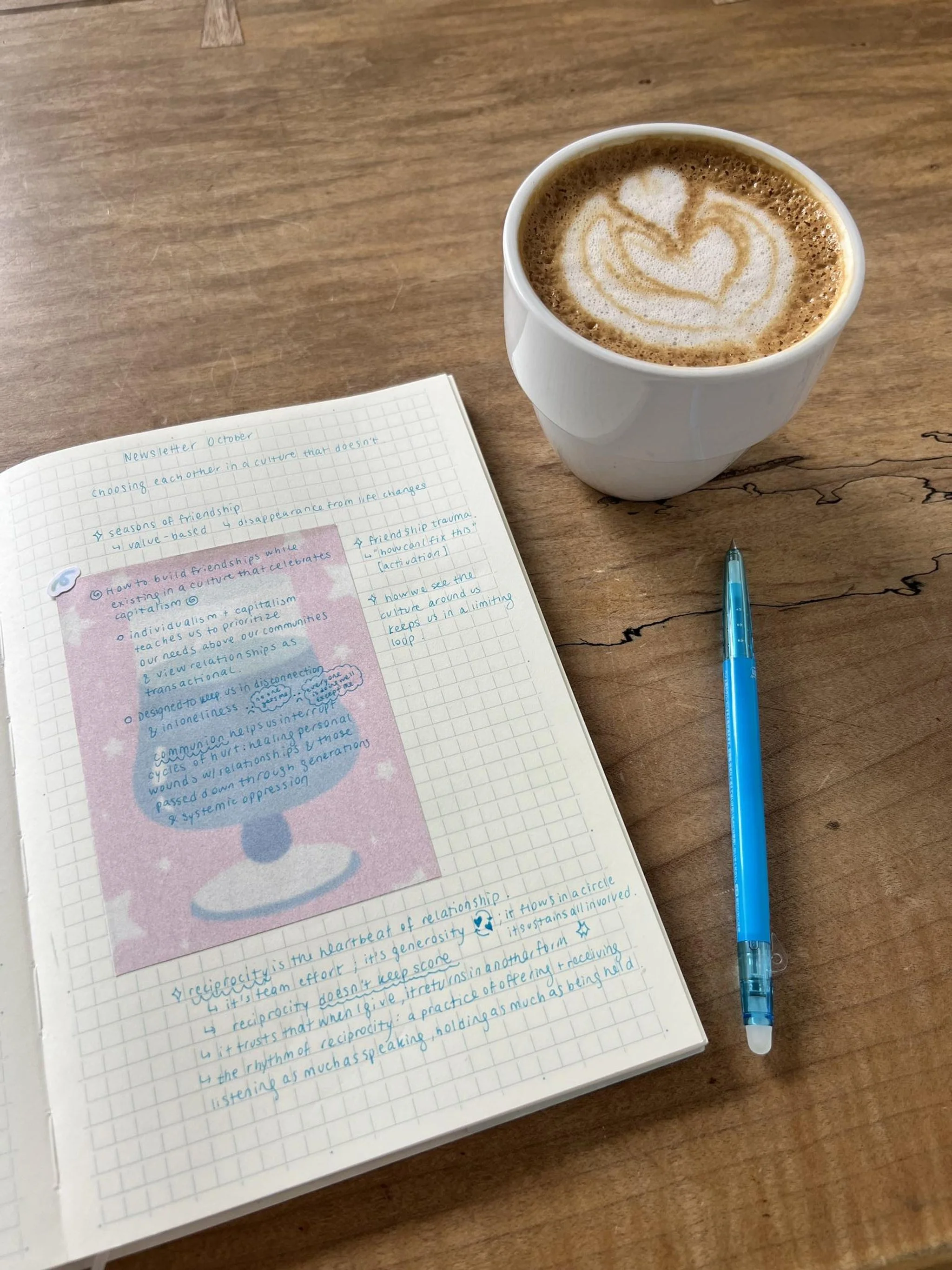
Reciprocity is the heartbeat of relationship.

Robin Wall Kimmerer reminds us that reciprocity is the heartbeat of relationship. The Earth offers us gifts—berries, shade, clean water—not so we can hoard them, but so we can learn the joy of giving back. Reciprocity flows in a circle, isn't one-sided, sustaining everyone involved. It also reminds me of generosity, a value my mother taught me.

When we strive to live in the rhythm of reciprocity instead of keeping score, we learn to offer, and make room to receive. 

We make listening as important as speaking, holding as important as being held. 

 Reciprocity doesn’t keep score; it trusts that when we give, it returns in another form, in another season.


-`♡´-  -`♡´-  -`♡´-  -`♡´-  -`♡´-  -`♡´-  -`♡´-  -`♡´-  -`♡´-  -`♡´-  

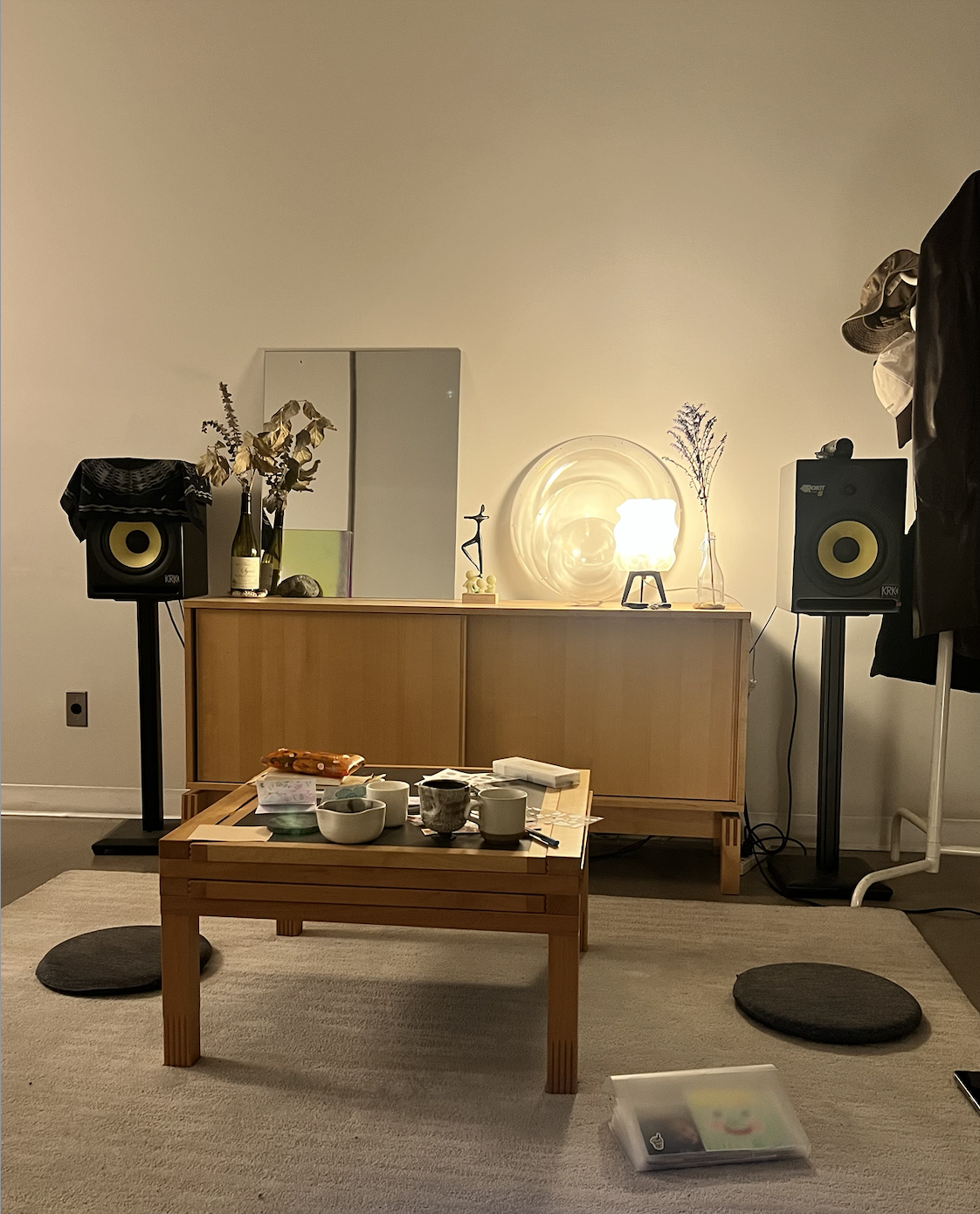
sleepover and zine making a friend~

Prioritize connection > productivity! 

Individualism and capitalism teaches us to prioritize our needs above our communities and view relationships as transactional.

It's literally designed to keep us in disconnection and in loneliness.

There were so many days when I find myself after a full day of work and feeling so exhausted to make plans with people who support my nervous system and would interrupt these cycles of anxiety.

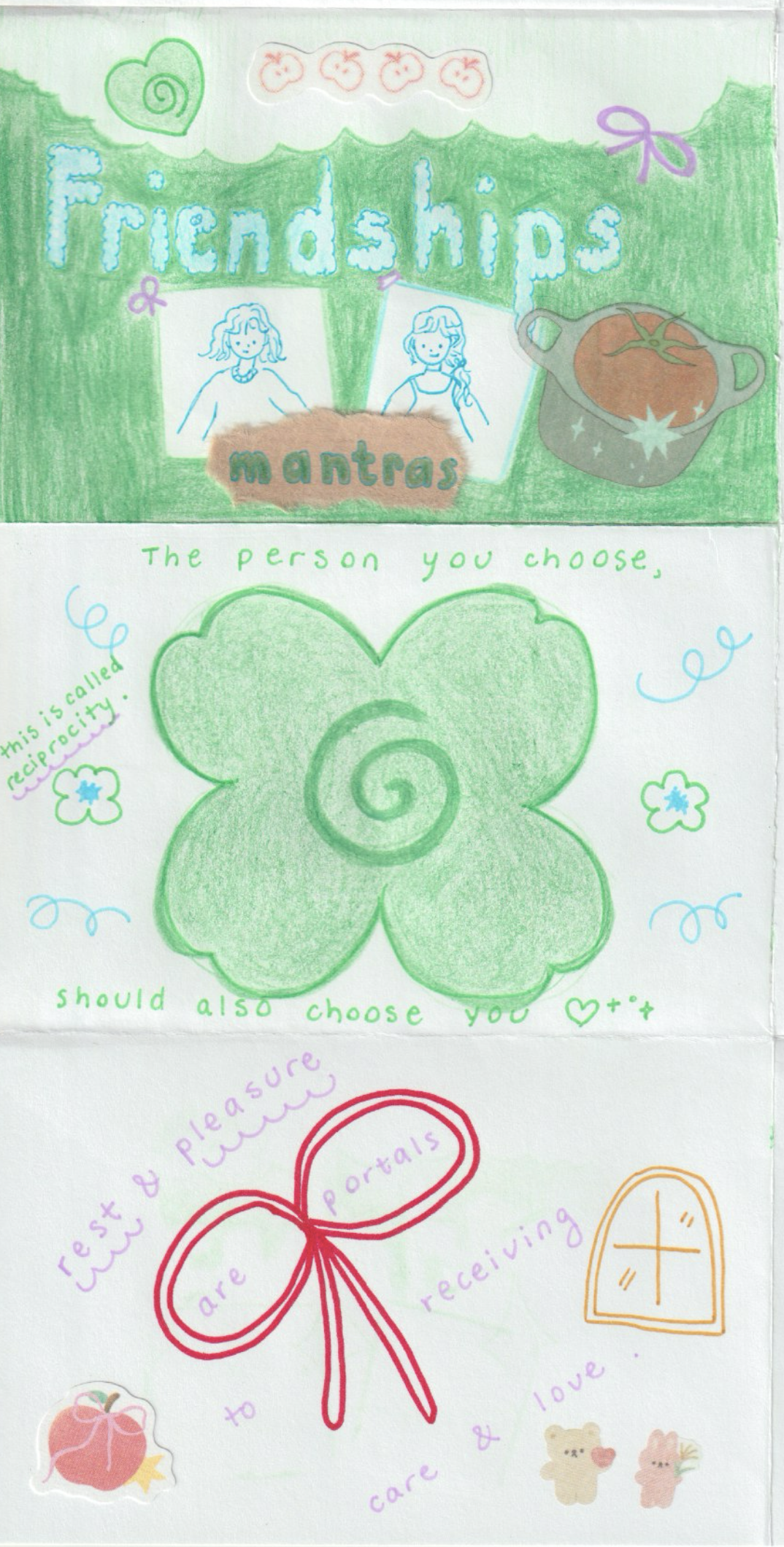
snippet of my friendship mantras zine!

✦ ‧₊˚ ⋅✦ ‧₊˚ ⋅✦ ‧₊˚ ⋅✦ ‧₊˚ ⋅✦ ‧₊˚ ⋅✦ ‧₊˚ ⋅✦ ‧₊˚ ⋅✦ ‧₊˚ ⋅✦ ‧₊˚ ⋅✦ ‧₊˚ ⋅

Rest and pleasure are portals to receiving care and love

Especially when we are trained/conditioned to work, serve, and over-function, choosing rest, joy, pleasure, and time with friends is a way to restore love’s presence in our lives. Communion helps us interrupt cycles of hurt: healing personal wounds with relationships and those passed down through generations and systemic oppression. 

Prioritizing our needs is not above our relationships (capitalism/individualism) nor is our relationship above our needs (relational trauma/wounding).

✦ ‧₊˚ ⋅✦ ‧₊˚ ⋅✦ ‧₊˚ ⋅✦ ‧₊˚ ⋅✦ ‧₊˚ ⋅✦ ‧₊˚ ⋅✦ ‧₊˚ ⋅✦ ‧₊˚ ⋅✦ ‧₊˚ ⋅✦ ‧₊˚ ⋅

via Pinterest

⊹₊。ꕤ˚₊⊹⊹₊。ꕤ˚₊⊹⊹₊。ꕤ˚₊⊹⊹₊。ꕤ˚₊⊹⊹₊。ꕤ˚₊⊹⊹₊。ꕤ˚₊⊹⊹₊。ꕤ˚₊⊹⊹₊。ꕤ˚₊⊹


Communion is the antidote to loneliness and alienation! 


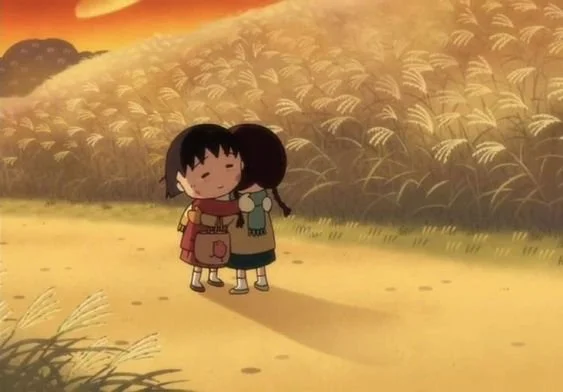
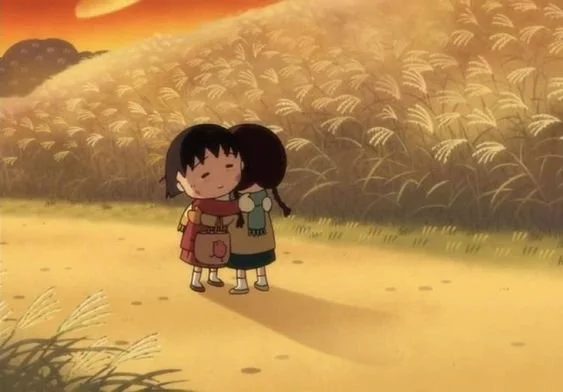
Communion counters loneliness and alienation. Our culture reinforces individualistic behaviours, which shape how we maintain—or let go of—relationships, like the drifting or disappearance of friendships in adulthood after life changes such as moving away, starting a new relationship, landing a new job, or having a child.


bell hooks reminds me in Communion that true connection invites us into intimacy, belonging, and presence. 


I’ve been practicing little ways of stepping off the hamster wheel, where I prioritize friendships and relationships instead of letting the system dictate my pace. I’m learning again and again that connection can be one of our greatest sources of nourishment and healing.


When we slow down enough to be with a friend, we’re pushing back against the myth that our value lies only in output.


Whether it’s cooking a meal together, walking or playing at the park, or even having an adult sleepover (SO fun), friendships are how we choose connection over keeping score, competition, and the endless busyness capitalism asks of us. 𖦹


⊹₊。ꕤ˚₊⊹⊹₊。ꕤ˚₊⊹⊹₊。ꕤ˚₊⊹⊹₊。ꕤ˚₊⊹⊹₊。ꕤ˚₊⊹⊹₊。ꕤ˚₊⊹⊹₊。ꕤ˚₊⊹⊹₊。ꕤ˚₊⊹

So here's to choosing each other in a culture that doesn't.


₊˚🍏 ྀ౿ written by yours truly, Linda


Community building events coming to Decipher this Fall/Winter!


monthly TEAR CLUB! (anti-perfectionism) with Chloe, our art therapist .ᐟ.ᐟ ˚⊹


✮ weekly OFF-SCREEN HOURS art therapy drop-ins with our interns coming soon .ᐟ.ᐟ ⋆˙⟡


A space where we can build community, make art, and connect more deeply with yourself and the world! Think of it as a group therapy session, but in a fun, casual, community-focused way, away from screens and winding down from our week.


Also a perfect activity for rainy days with a friend or two in our studio located in downtown ‘Vancouver’.

Check back soon for updates!


Get to Know Your Needs in Friendships and Relationships


Many of us struggle with adult friendships and relationships where we feel depleted when our needs are not met,

grieving when our friendships aren't balanced,

when the energy out isn't being reciprocated.


🌐 True needs challenge the status quo: of assigned conditional rules and requirements for so called “love and care”


Sometimes “love and care” may be disguised as a series of conditions. We may have been taught to meet other's needs first before we get to pursue what we want. Over time, the more we perceive the needs of others, the more we struggle with people pleasing behaviours. Needs will be perceived as a zone for emotional burnout, and uber confusing. ‘Needs’ from conditions are not rooted from a place of love, respect, solidarity and reciprocity.
 

🌀 People pleasing is giving "I don’t know how to meet my needs”


People pleasing tends to lead us to become disingenuous with ourselves and with others around us. It takes us away from the present moment by predicting what others’ needs are before we know what ours are.


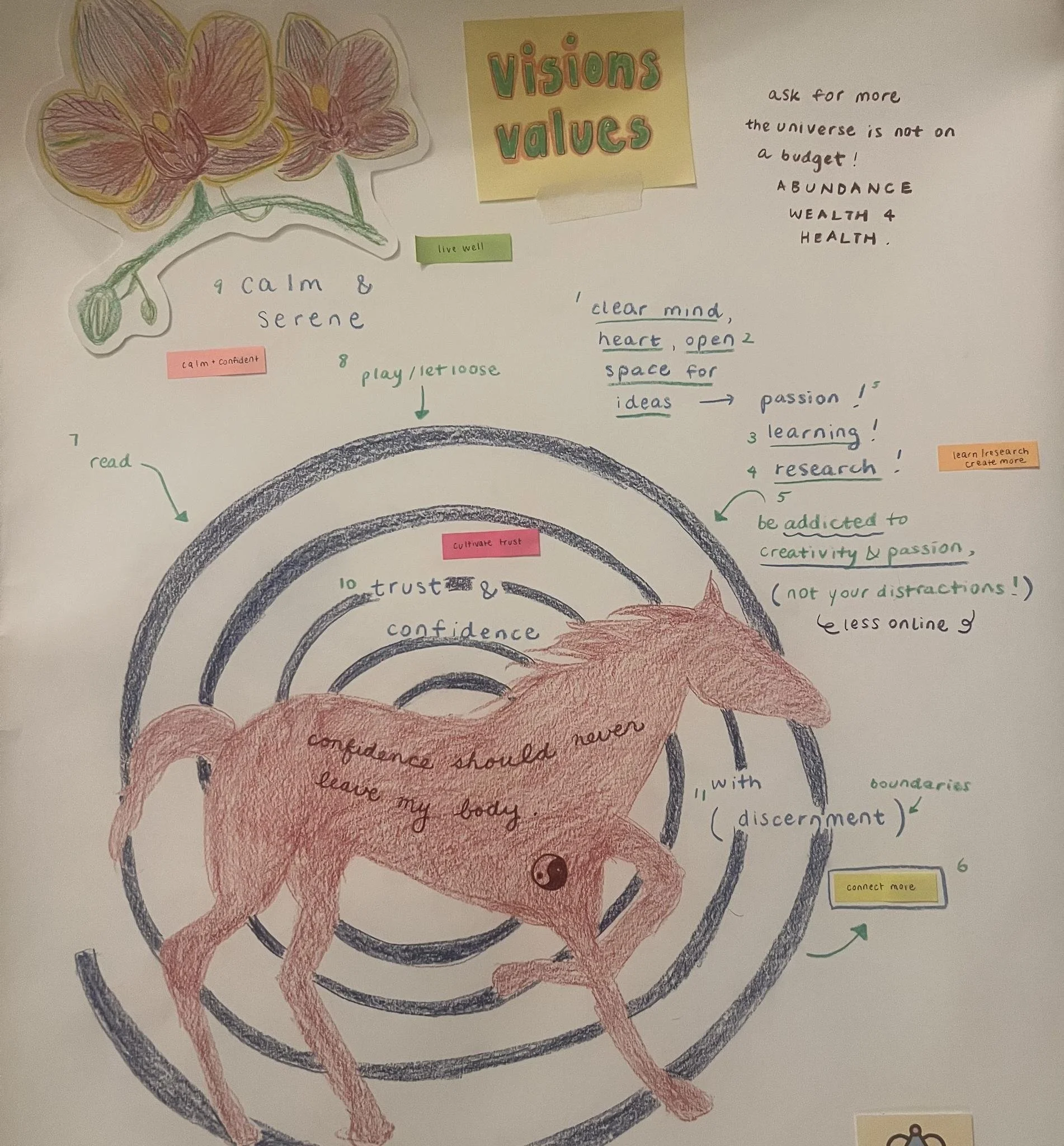
🍄 Needs contain multitudes. They come from a radical, unfixed and abstract space. 
 

We have the right to feel, to transform, to express a range of self to meet mutual understanding of these needs.


🪴 Our needs are true expressions of our identity.


I notice my body slowly ease up whenever I nurture and actively find ways to meet my own needs.


🤚🏼 Refusal for ‘uncomfortable performances’


I hope you will practice taking a few moments every time you are about to reply to a friend to figure out what your needs are with this friendship!


Is it love, appreciation, respect, autonomy, nurturance community, intimacy, safety, security, commitment, consistency, mutual understanding, connection…?


💗 We need culture and companionship that truly loves us.


Just as much we train to predict, foresee, and have gotten really good reading into what other's needs are…


⏰ When you find out what your needs are, what are the things you will have room for?


By working on bracketing out assumptions and decentering how you will be perceived, you get to make space for authenticity, rooted in humanizing responses towards yourself and can then be reflected back to your relationships.


🌳 Needs are not individualized and all needs are equally important! 
 

Our needs are not in the shape of a triangle/hierarchy.

Did you know Maslow, the person who ‘coined’ the hierarchy of needs took Blackfoot first nation’s knowledge and teachings when he spent 6 weeks there in 1938, and shaped human needs to reflect that of white supremacist culture (into a triangle) where needs are individualized.
 

🧭 If we haven’t even began to decolonize our human needs, no wonder it would be difficult to understand and ‘actualize’ what our needs are! 


It makes sense why so many of us are looking desperately for spaces where we feel a sense of community and belonging. And we end up blaming ourselves and the city for being the problem. We haven’t found ways to take care of each other to reach reciprocity yet.


🪨 Staying in care of our needs fuels our demands of a better world. And helps us reclaim the rest/ease our bodies need to thrive in.


There is no need to rush or get to perfection. Unlearning needs is going to be a lifelong process. There will always be time, to reimagine the relationship with needs to reach self-actualization (in my own words, to understand oneself).


🛟 This practice is expansive and life-saving ♡ 


So please keep coming back to your human needs!