written by Linda Lin, RCC RCAT

Year end / holiday stress is so real.
Many of us enter December already depleted, with our numbing or protective safety behaviours running on overdrive.
So I wanted to write a newsletter to validate some of these experiences and patterns I’ve been noticing.
These patterns can be so familiar that they often go unnoticed, even when we know this season feels heavier than it appears from the outside.
Please note that language I use may sound ‘too clinical’ so if you’d like to personalize with different language/words to describe similar things, go for it!
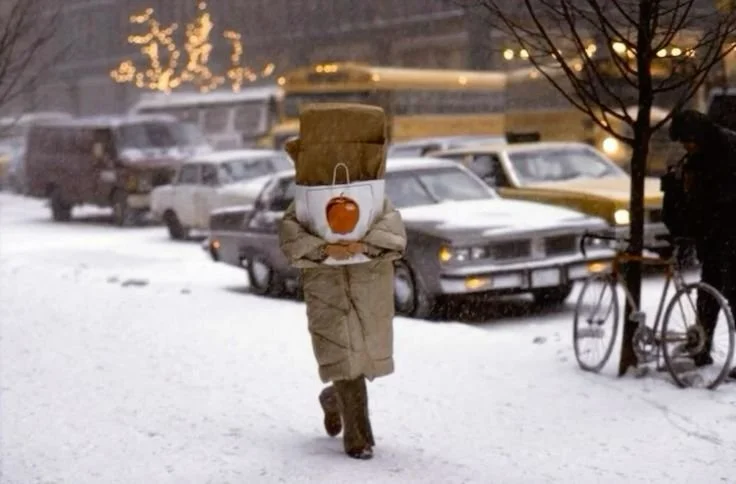
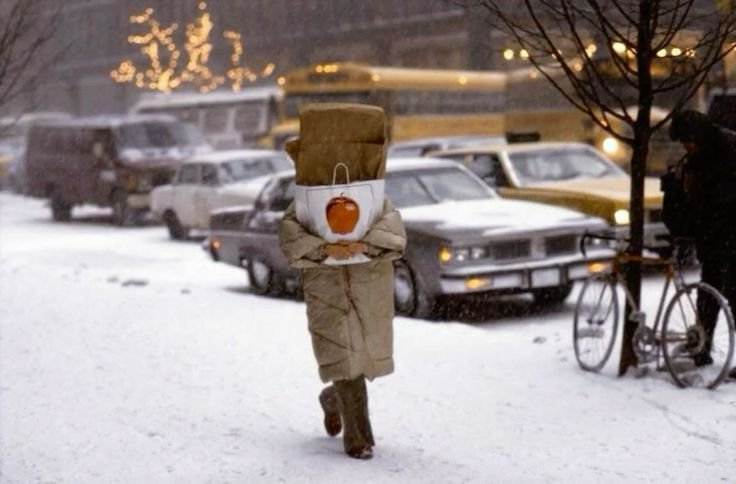
The end of the year often asks us to push through exhaustion, emotions, and (over)stimulation.
This time of year often stirs up financial pressure to find the perfect gifts, brings complicated interpersonal or family dynamics to the surface, and encourages us to wrap things up or end on a high note.
It’s easy to become overstimulated by end-of-year sales (side note: did you know we can be exposed to 4,000 to 10,000 ads a day?), while juggling invitations and obligations, both external and internal, and navigating feelings of isolation when we’re “supposed” to feel joyful, restful, and connected.
The stress can affect our body weeks or even months before anything actually happens at all.
A lot of us are going through this month with our safety behaviours activated. These behaviours help us numb or cope with discomfort so we don’t have to fully feel or process it.
Safety behaviours are any acts that reduce distress in the short term by anticipating or preparing for the worst, often increasing our perception of fears. They can be very sneaky, work alongside anxiety, and often go unnoticed, leaving us feeling confused, lost, and overwhelmed.
Some examples of safety behaviours I’ve noticed (not exhaustive!):
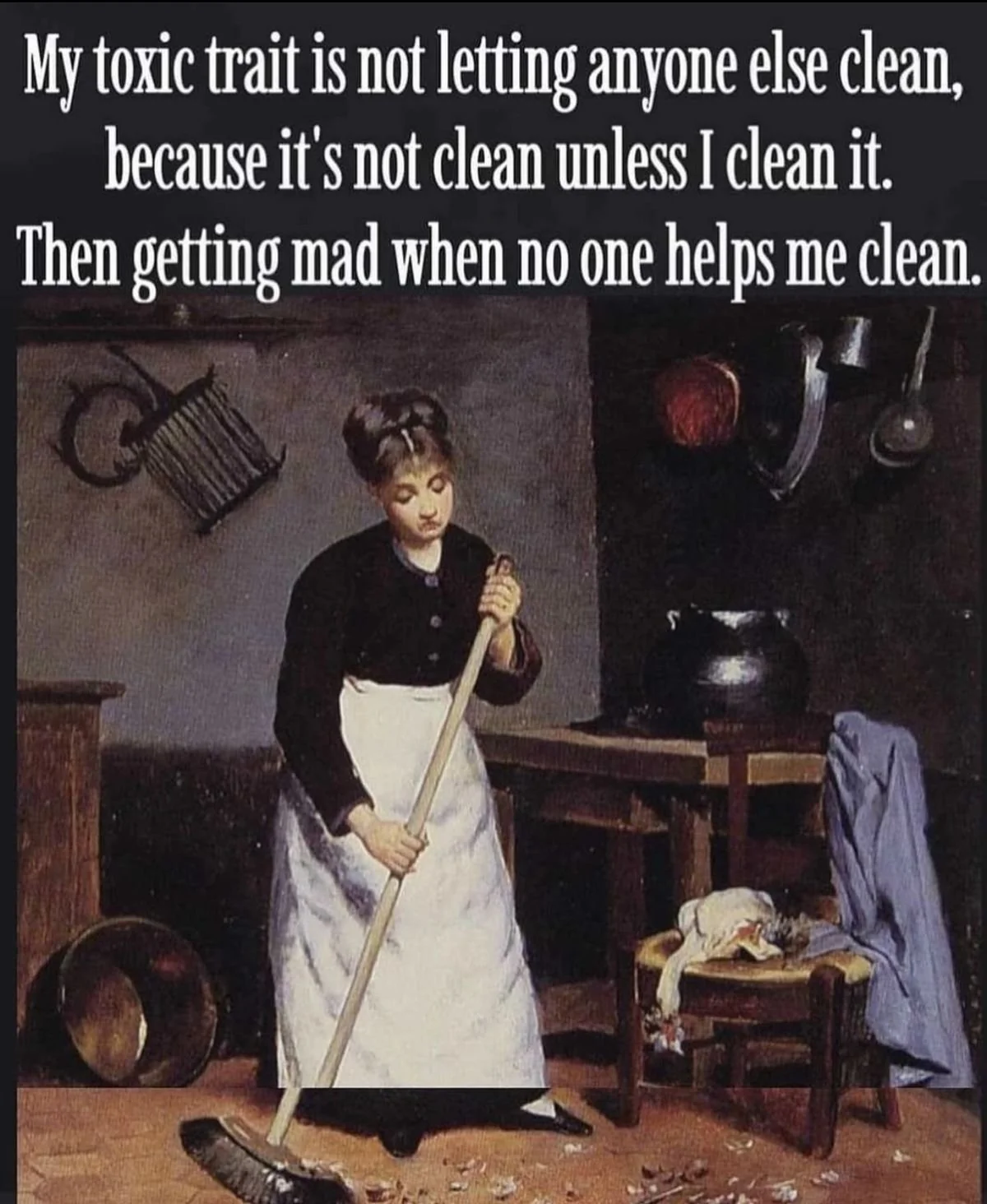
Overcleaning or working overtime
Bed rotting but not allowing for true rest
Frozen in doomscrolling
Retail therapy or overconsumption
Comfort eating, or restricting/picking/counting/purging, or obsessing over food/”health”/body
Exercising excessively with little to no recovery
Always trying to fix ourselves without ever celebrating our wins
Avoiding conflict by pleasing others (while we have no idea what our needs are)
Rehearsing how situations will play out at future gatherings
Replaying something you said or something unresolved over and over in our mind
Hyper-vigilance or hyper-independence that feels “right”
Fixating on rigid routines that fuel perfectionism
Harsh internal dialogue when routines are disrupted or our goals aren’t met
Numbing with something because you feel distressed or irritated at ourselves, others, systems, or the world
Exhaustion from masking or showing up performatively at gatherings
Texting back immediately even when we have no more capacity, or the latter, avoiding texting back for weeks
Seeking reassurance from others for most decisions we need to make
Intellectualizing or over-analyzing everything.

Good news is that there are patterns / wiring that we start to become more aware of!
Here's what safety behaviours have in common:
Coping, not processing: They keep us “safe” momentarily, but not in the long term.
They play on our fears: Safety behaviours increase our perception of existing fears. They make fear feel more intense or obsessive, rather than helping us heal from it.
They respond to urgency: Acting “before the shoe drops,” safety behaviours turn anxious thoughts into rules, rituals, or compulsions in the hope of preventing a consequence. These can be physical actions, mental acts, or rigid routines we feel we have to do in the moment—or else.
They've worked before: At some point in history, these behaviours helped you cope and feel safe. That’s why they’re so familiar, and may even feel safe and comforting.
They dislike uncertainty: Safety behaviours often show up when situations are unpredictable, unresolved, or ambiguous.
Some practices I’ve been using for long-term care and support instead of safety behaviours:
Catching, disengaging, and redirecting from my safety behaviours toward what actually matters. For example a fear I’m working through, always feeling responsible for my team, is gradually being redirected into the belief that I am becoming a stronger leader and team member.
Making, creating, or crafting something with my hands (great for slowing down).
Enter our giveaway to drop in access to Off Screen Hours and an art journalling kit here: a special collab with 1912 Amax Stationery.
Reducing screen time on my phone, using apps like Opal to block distracting social media during the week for more mindful consumption.
Allowing 15+ minutes of boredom each day to check in with my nervous system and mind-body.
Eating food that keeps me satiated, exciting, and simple (base repetitive, toppings rotated!).
Moving in ways that make me feel strong while allowing ample recovery time. Lately I’ve been enjoying low-impact, high-intensity workouts (iykyk!).
Inviting friends to do mundane activities: dog walks, grocery shopping, co-working, cooking a meal together, or asking them for help (this one is huge for me).
What have you been practicing?
Below I'm sharing my fave reflection questions that really help slow me down (fyi they can go deep)!
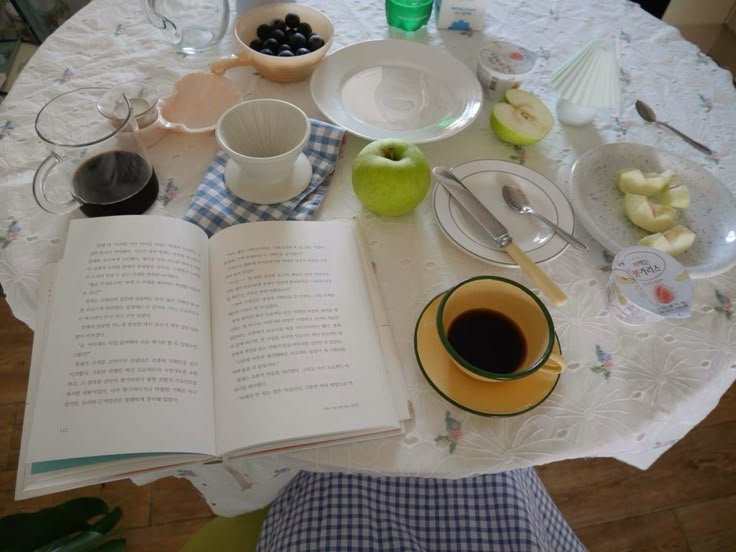
Since we tend to be reflective during this time of year, I’m inviting us to journal, discuss with a good friend and/or make some art to check in with ourselves if safety behaviours have been showing up.
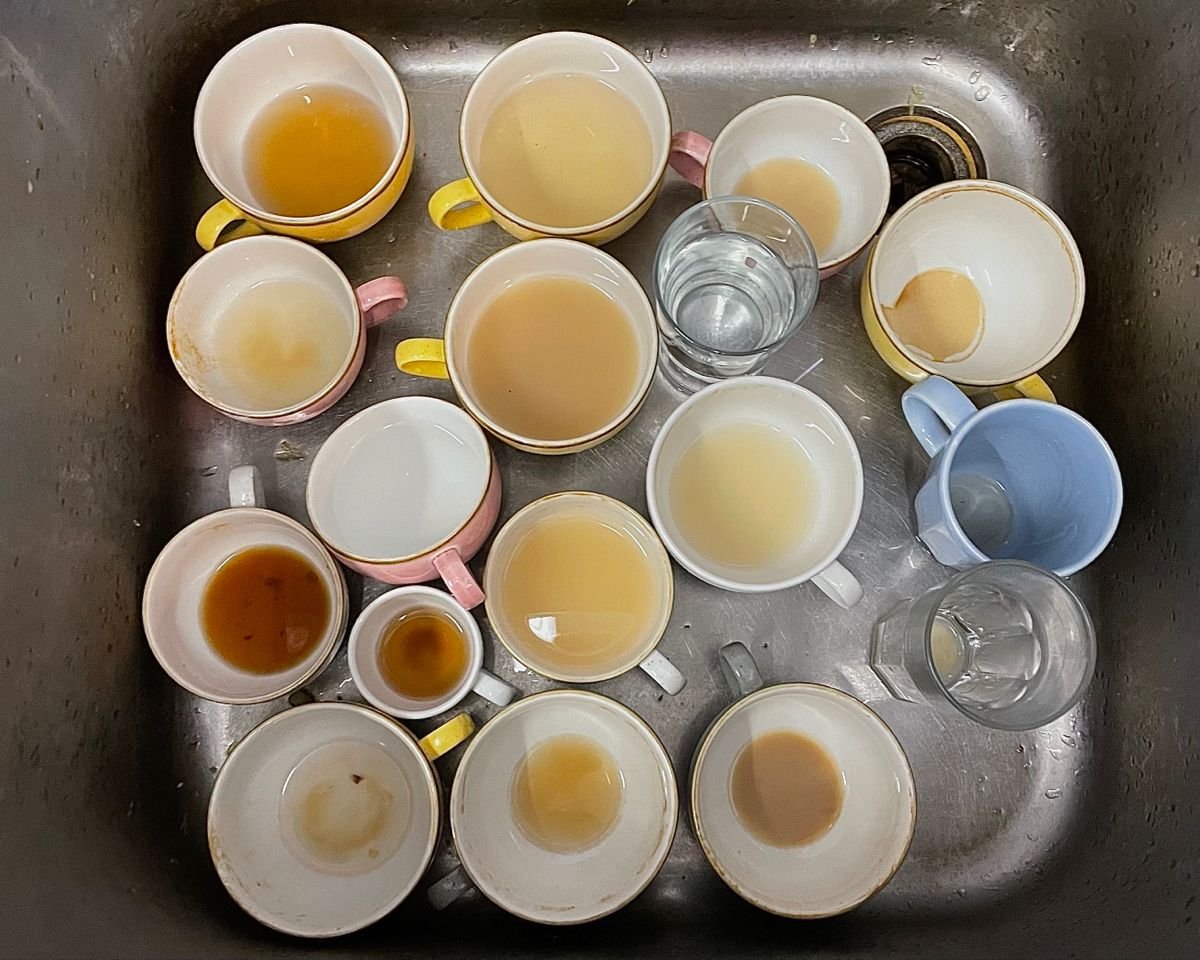
Get your tea, pens and stickers ready! ⊹
• What signals do my body give me when I feel safe, and when I feel overwhelmed?
• What are my safety behaviours? List them out and try calling them out. (see above for some examples)
• What are my go-to ways of avoiding or distracting from conflict or discomfort?
• What feelings have been harder to feel lately?
• Are there parts of me that learned to stay quieter/numb/unnoticed to stay safe?
• What does this protective strategy/response want me to know?
• Where do I notice myself toning down or editing parts of who I am, especially around others this season?
• What has it taken for me to arrive here, and what needs acknowledgement and care?
In a society designed to keep us numbing, with no time to slow down, where rest is mistaken for laziness and bursts of anxiety are mistaken for productivity, our awareness is rebellion. Slowing down to notice our limits, finding ways out of misery and fear, and understanding our grief are acts of resistance. And this resistance doesn’t have to feel endless or scary.
If you’re needing some extra love and support navigating these complex experiences, our team is here for you!
May this season of reflection lead us to explore moments for rest, awareness, and connection to support us into the new year. Take good care, First name / friendsee you in 2026 ♡
Sincerely,
Linda
Enter our giveaway before the end of the year (Dec 31st, 2025) for a chance to win:
📓 Drop-in access to weekly Off Screen Hours (Friday workshops until Feb 2026)*
🖋️ An AMAX journaling kit — Hitotoki notebook + Pentel brush pen set