written and filmed by Linda Lin, RCC RCAT
For those who enjoy longer-form content to pair with my newsletters and blog posts, I've just launched a YouTube channel where I'll be talking through topics I'm exploring and sharing in a different format.
I hope this newsletter finds you in moments where time feels like a meadow, or where you’re nestled somewhere you really like.
This time last year, my friend Leah challenged me to take a full month off work while we were creating our healing money anxiety art therapy course. The relevance of this exposure alone shook me. We travelled to China together, but I couldn’t honour the non-working part.
Then, an intrusive thought that was supposed to pop in and out, came true: Decipher was in crisis. Our studio was reported to be flooded by rainwater 3 days after I left for my break. I put on that leadership hat as the practice founder and parentified eldest daughter, replying to bureaucratic calls, took on some clients on the whim, 4am in China Standard Time. The anxiety voice insisted that I had to fulfill these roles and expectations to get through this. My mind locked in by crisis managing even though I was trying really hard to take a break.
In major contrast, one of the essence goals that made it onto my 2026 bingo card was to go analog. On my bingo card, I had written that I wanted to take two months off work (!!), wean off screens, and spend more time with analog media like filming for fun, and returning to things I really love → liberating imagination and creativity, unlocking maps of the world, and taking in philosophical pauses.
"Nature does not hurry yet everything is accomplished" - Lao Tzu
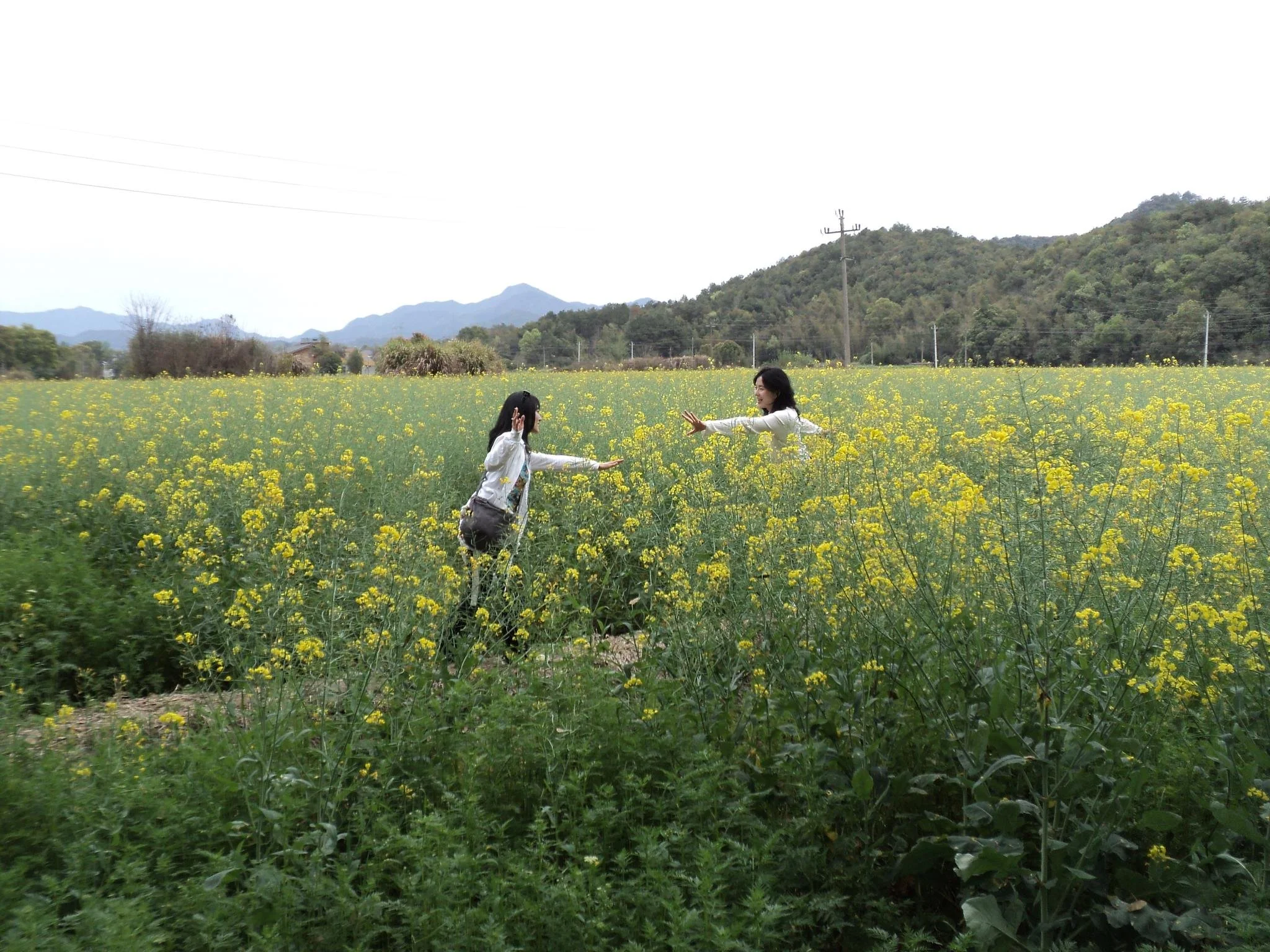
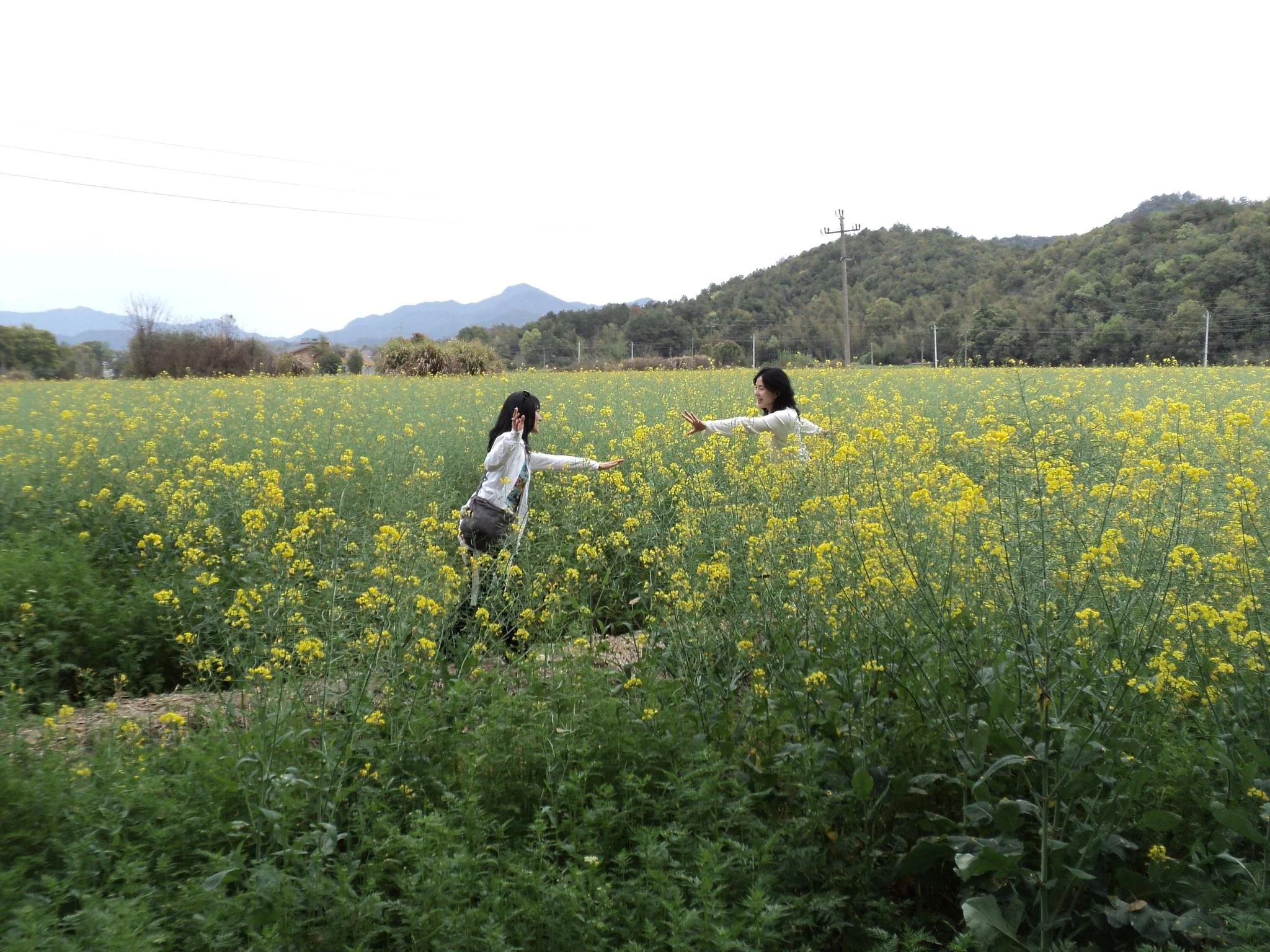
Fig.1 among a field of canola flowers in Jingdezhen
So what happens on a full month on analog?
There was more of whatever this feeling is: "the next step appears because we moved, not because we tried to make sense of it first” and building on roles outside of being a therapist.
Procedural learning. I didn’t consciously notice it during my break, but after last year’s office flood incident and after co-creating a course on healing money wounds, going analog naturally helped me step out of crisis responding rooted in fear. I fully stepped out of my usual role of monitoring emails and everything happening back at home. This allowed my body to implicitly learn that not everyone and everything is dependent on me, and leadership doesn’t look like constant vigilance.
I’ve always loved philosophy of culture and in ethnography. Arriving in Lijiang, Yunnan, for the 2nd time (my 1st was last year), I interviewed my mom, who had finally returned to her birthplace for the first time in over 60 years (after years of me urging her to reconnect with her roots). I dug up books and history around my family's lineage (a NaXi clan from Lijiang) who lost their wealth during the cultural revolution and ethnic minority cleansing. Hence complex money wounds and inherited anxiety. More of this in the upcoming newsletter!
Going rogue/off screens helped me see the world in another way. Like adopting rituals that support me to experience the flow and pace I’ve been craving. From fight and flight → rest and digest, without binary lines.
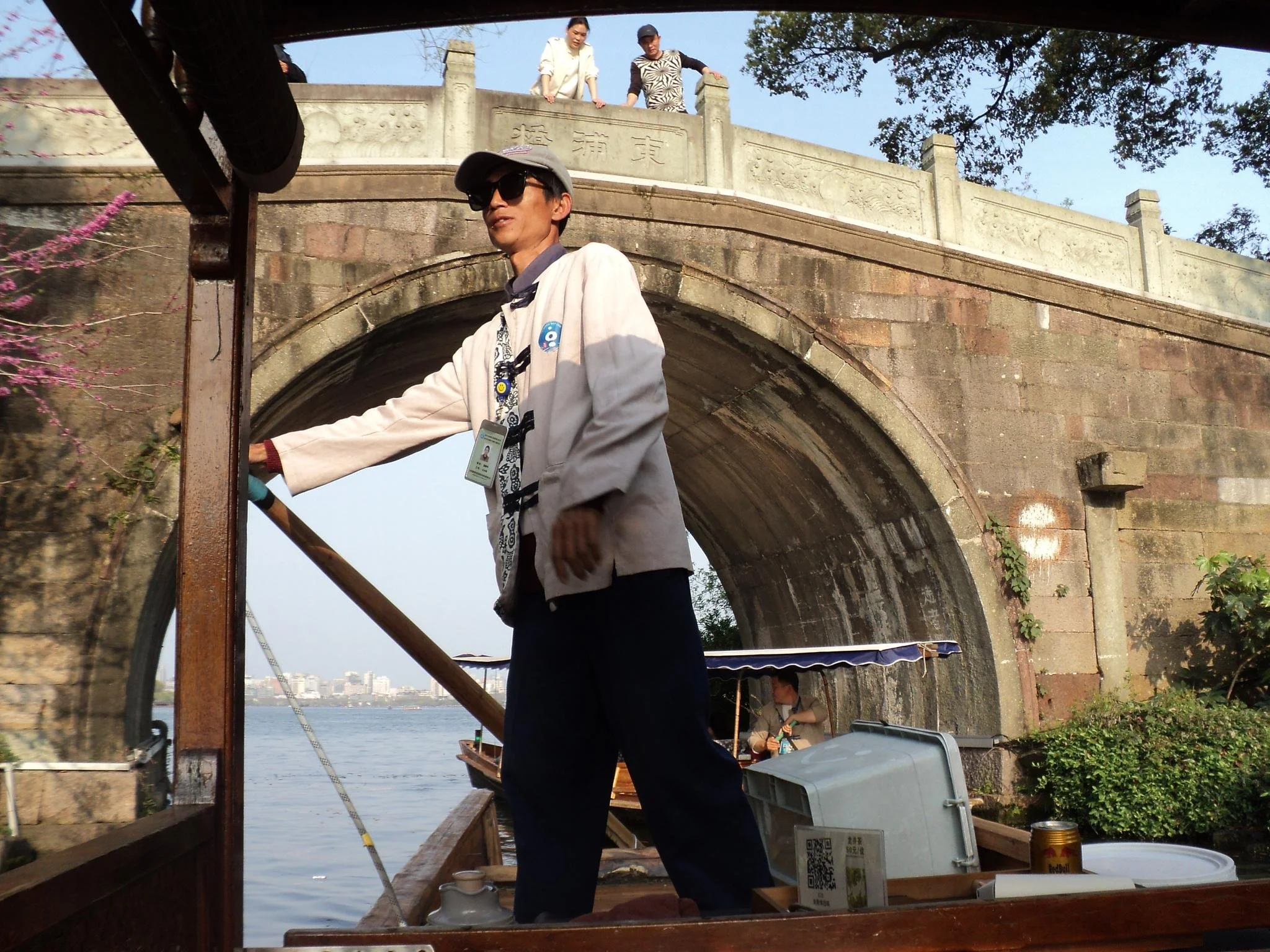
Fig.2 West Lake, Hangzhou — golden hour on the water
The month was full of creative, liberating moments like doing things just for fun! I noticed my creative voice sparking with more confidence (stepping out no matter how dressed up I am, dancing midway when a song gets stuck in my head, cracking jokes without filtering). There was less pressure to take things seriously or shape myself around a specific image or identity (like a “therapist” or “the older sister”), or to meet the demands of the algorithm. In these moments, my attention feels like it is sacred and actually belongs to me again.
Going analog helped me create glitches in the system. Capitalism handed all of us a bag of rocks and told us “this is the kit we need to survive”. Grasping onto internalized strategies like ableism, production and optimization over welfare, fatphobia, or taking time here on Earth too seriously… aren’t things I actually value. They’re inherited. Forcefully fed. Learned and rehearsed from a place of fear. Even though internalized thoughts will still appear through the course, I can discern what's mine more clearly and that makes the time I spend with myself so much easier.
I felt the depth of this: diligence without context isn't discipline, it's constant numbing and busywork. The goal was never to optimize myself into exhaustion. It's always been ease, alignment and a slightly unhinged feeling of being genuinely, embarrassingly alive.
This month felt like a different pace: a kind of attention and a life that doesn’t need to be constantly monitored to be lived. I honoured this principle, "说到做到" translation “following through with my promises” throughout the walk.
I don’t think going fully analog is the point.
I’m more curious about what parts of this I’ll carry forward.
And for now, that’s enough. 😌
Putting these feelings into words for you, in case you haven’t already named them for yourself.
Thanks for tuning in, friend ✮⋆˙