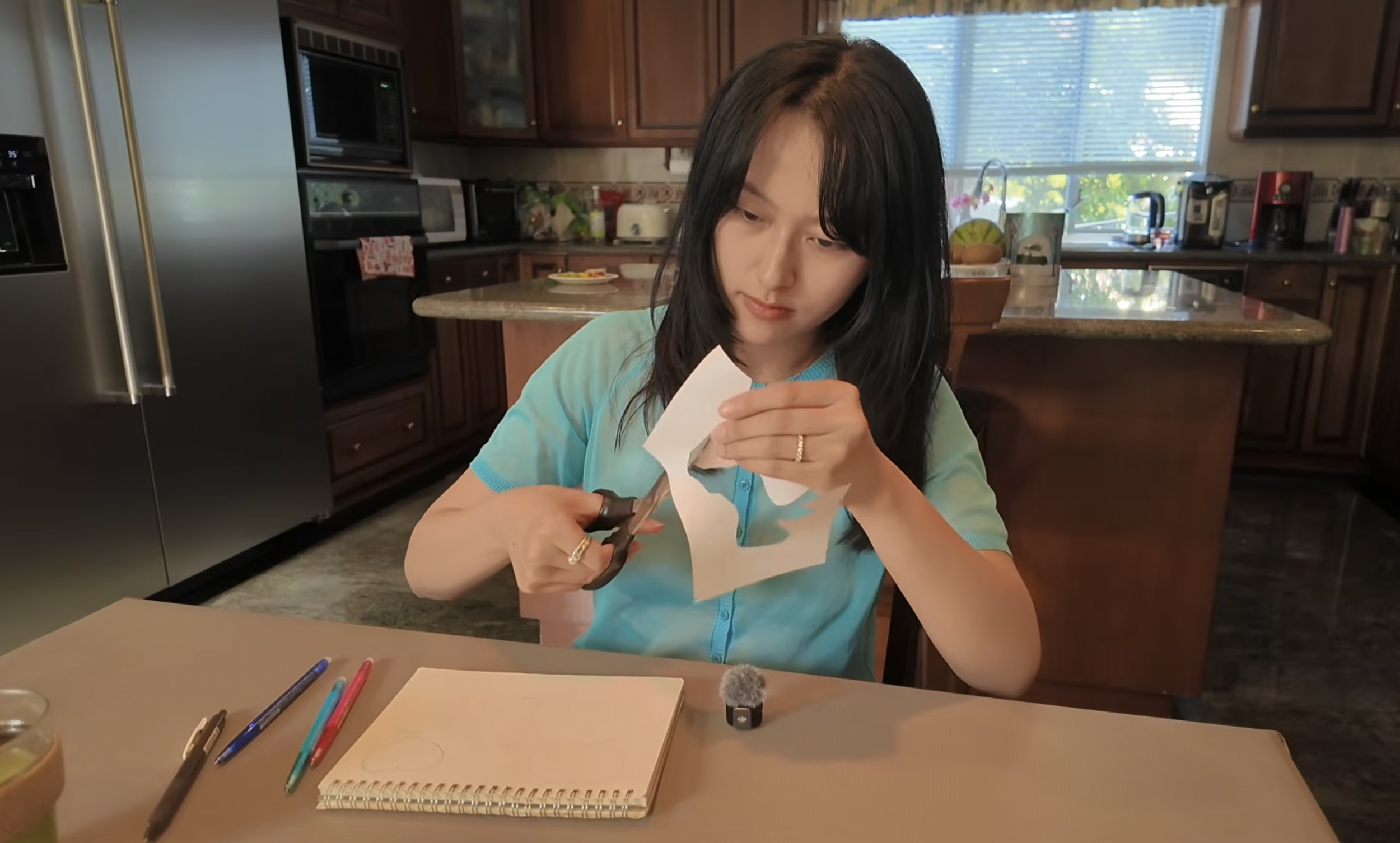
written and filmed by Linda Lin, RCC RCAT
For those who enjoy longer-form content to pair with my newsletters and blog posts, I launched a YouTube channel where I'll be talking through topics I'm exploring and sharing in a different format.
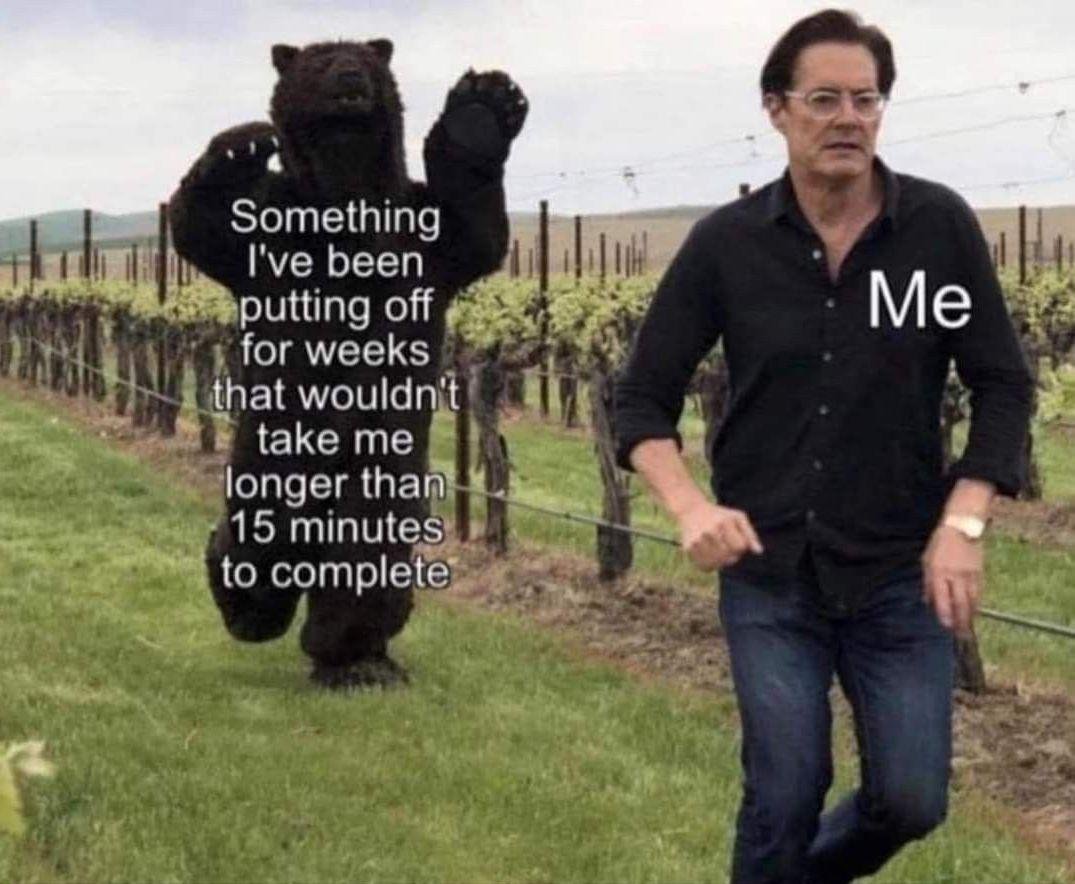
Since when did the word "consistency" start to feel like a threat? Somewhere between entering school age and trying to be a responsible adult, consistency started feeling like an obligation I'd already fallen behind on. It turned into a chore that feels meaningless, too difficult to even attempt. Like our dreams just stopped getting along with our capacity. There's this lingering disappointment of not living up to the version of ourselves we thought we were rooting for.
When we let ourselves down.
I am noticing a lot of us are struggling with consistency and the energetic toll it takes to adapt to life. Building a pace that fits you, specifically is getting harder and more ambiguous to find in a world with rapid changes, artificial intelligence, and end-of-stage capitalism.
This topic is feeling tender and I often find myself and people I come across committing to too many things, and not able to commit to the course of action we need to actually do to take care of us.
In this newsletter we get into:
.✦ ݁˖ the relationship between consistency and cultivating trust within ourselves
.✦ ݁˖ unpacking / pacing consistency
.✦ ݁˖ “taking the path least taken” as a way to challenge and build consistency
.✦ ݁˖ art as therapy prompts to help build trust and confidence for consistency
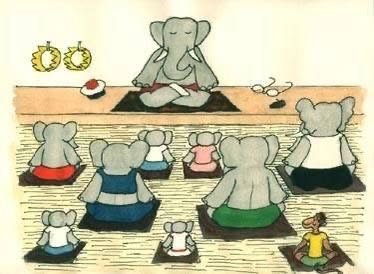
Consistency is how we gradually create the conditions where trust becomes possible.
On another note, self-trust can be built from consistency. Trust in ourselves, like listening and understanding our capacity what we actually have time for, what will actually move the needle and support us.
There's something in psychotherapy I have been working with my clients on. I always remind folks that we learn from each other, that our brain has an innate feature of neuroplasticity: where we can update our beliefs, expand our worldviews, adapt and navigate the world more freely when we feel safe enough to do so, throughout our lifetime.
When the conditions are trustworthy, new habits and ways of being actually stick and make sense in the body, not just the mind. Leading us to embodiment. Consistency is how we slowly create the conditions where trust becomes possible.
adrienne maree brown writes about something that rhymes with this in Emergent Strategy: "small is good, small is all". What we practice at a small scale sets the pattern for the whole. Every tiny, mundane showing-up counts and accumulates into something important. Safety and repetition build trust and consistency, together, they are building blocks of forming neural pathways that heal and support us.
Additionally, how we treat our own consistency (self-perception) is how movements treat their members. How we let ourselves rest is how communities learn that rest is allowed. The personal and the political are running on the same pattern!
Practicing an honest relationship with our own capacity isn't a detour from the work. It might actually be where the work begins…

Consistency, when paced well, builds trust.
To be transparent with you, trust tends to build brutally and slowly. The way we hyper-monitor inconsistencies like our job depends on it, distrust in incongruence doesn't back down easily, and anxiety shows up because it feels threatened. It's hard to know when to forgive our own inconsistency, like when the goals we set the night before didn't pan out the day after. :(
To start building a less familiar neural pathway, we could begin by allowing ourselves to dream about what we actually want to experience.
ideal land 🏰
High energy plans could look closer to what we desire in ideal land. If I were to wave a magic wand, what would your most desirable, idealized outcome actually look like? Ideal land lets us imagine: if anything were possible, what would that be like for you?
Daydreaming, or intentionally practicing imagination to sort out what we want, is not supposed to hurt us. I say that because I'm aware of how many of us are afraid to even imagine what we want. It comes up a lot in the therapy room.
nice to have 🫧
When we have a bit more in the tank, we can start to think about what would feel supportive as we move through something hard. Not what we should do, but what would actually be nice to have there. If we could name even one small comfort to bring into a difficult task, what would it be? How do we want to feel in the process?
necessities 🪞
Permission to be consistent is where self-trust begins. Giving ourselves that permission means letting go of the need to do it perfectly.
When we're low on energy, in survival mode, just coping, sometimes the most grounding thing we can do is show up in small, consistent ways.
Part of that is learning to ask: what is actually necessary right now? What is the bare minimum that helps us move through this state rather than fight it? (Some things clients have found helpful are below.) We're not asking for much here!
There is no permanence in these states, like we don’t always find ourselves in ideal land.
What this practice is for:
If your usual neural pathway is to doubt in your ability to be consistent with anxiety hijacking your perspective, this practice is literally the opposite of that. We are noticing what your actual energy is capable of, and tapping into what it would be like if you could attempt at a difficult task to support you.
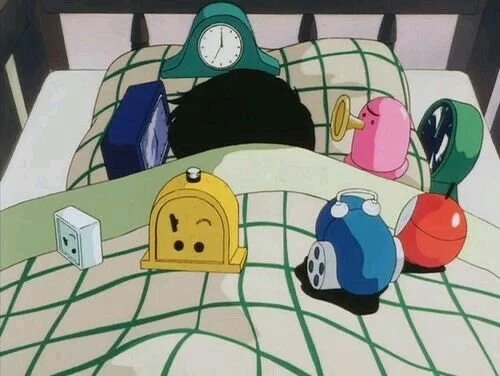
“The best plan is one you will actually do”
As someone who wears a lot of hats day-to-day: therapist, group practice founder, clinical supervisor (training to be approved), participant of peer groups sharing ideas, hiring and outreach, eldest daughter, long-term partner, parent to my twin dogs... somewhere in there is also a person who needs to lots of rest.
When I'm burning out, I find myself revenge bedtime procrastinating, in attempt to reclaim back the time I didn't get to support myself during the day. Then waking up the next morning realizing I won't be able to complete the goals I thought I could the night before.
What I am learning (slowly, imperfectly) is that consistency has to be embodied before it can be planned.
We have to start with honesty about our actual energy capacity, not our aspirational capacity.
This is something I wish all of us can start to believe: the best plan is one we'll actually do.
Tips from YOU!
This past month I asked people what they do to rebuild consistency after something unexpected: a mental health episode, illness, a life transition, grief. Some common threads came up: when things get hard and the unknowns pile up, people return to spaces that feel like a routine anchor, somewhere familiar to land. They go back to debriefing with someone safe. And name what is energetically taxing, which is its own form of honesty. People return to the fundamentals: being gentle with themselves, easing up on the pace, going slower than they'd like to go.
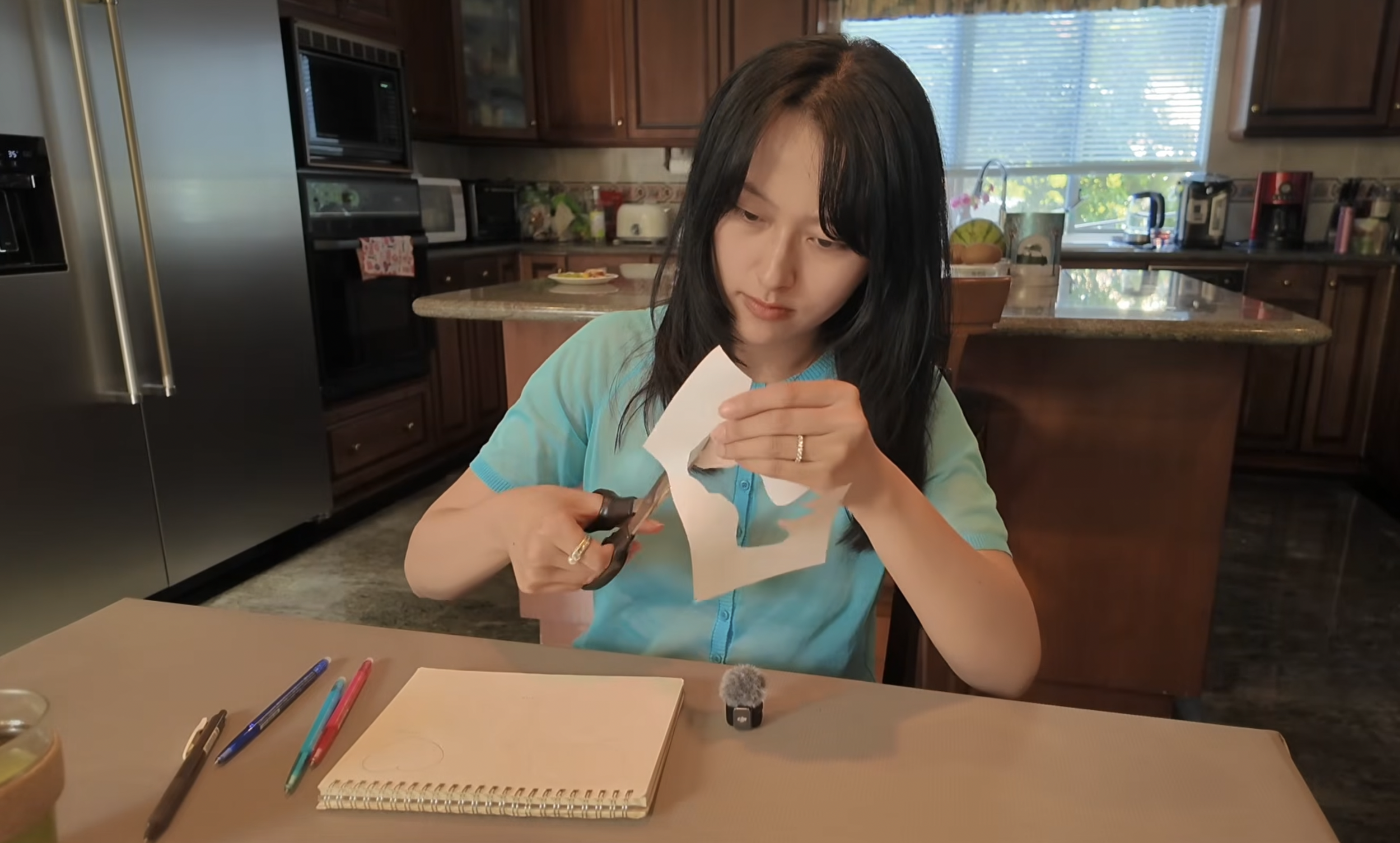
Here's your Art As Therapy Prompt:
I think art as therapy can help us find our way back to what we truly want, and what kind of consistency we can actually sustain. Below is an art as therapy prompt from your friendly neighbour art therapist.
Feel free to draw, journal or meditate on this directive.
Ideal / Nice / Necessary (pairs with the three states of energy capacity)
Create three distinct spaces on a single page. Label them however feels true to you: ideal, nice, necessary; or high, medium, low; or dream, okay, enough. Then fill each space with imagery, colour, words, texture, or feeling.
What does each state look like in your body?
What are you asking of yourself in each one? If it starts to feel overwhelming, try to make a frame or border to contain the expressions.
We aren’t here to resolve them but to allow them exist.
Thanks for creating with me .✦ ݁˖
Linda