Posts tagged art as healing
Confronting Uncertainty 🕳️


Confronting the Crisis of Imagination 

Written by Linda Lin, RCC RCAT


A few notes on imagination during uncertain times.
Imagination carries a strong, spontaneous energy that control and certainty do not always approve of at first. Perhaps that is exactly why we need it. Imagination might teach us how to transform a future that does not yet exist.

 “Summertime sadness” has taken on a crisis-like state this Summer.

The word and feeling of uncertainty carries urgent, and collective grief as we face these precarious times.

It is the shared exhaustion of witnessing our dreams deferred, anxiety and numbness about the future, frustration of the widening social inequality and division, and feeling helpless amidst ongoing mental health crises.

When's the last time you let yourself wish for something without immediately talking yourself out of it?

In the therapy room, I often hear thoughts, feelings, images emerging that are ego-dystonic: inconsistent with who we are, what we believe, what we actually want to see in the world, and in our future.

When we see a decline in our mental health, through urgency and insecurity: be-it financial anxiety, intense transitions, unexpected changes of our climate, or being failed by systems of power, I wonder if underneath it all is a deeper crisis. A failure of imagination.


“Mental illness…is consistently associated with deprivation, low income, unemployment, poor education, poorer physical health and increased health-risk behaviour.” —“A Mad World: Capitalism and the Rise of Mental Illness,” Hampton Institute


The uncertainty we're experiencing highlights how deeply our environments, access to resources, and social conditions shape our wellbeing and sense of self. 

Creativity and imagination require conditions where people have room to wonder, play, and envision possibilities beyond survival. So nurturing our imagination is part of protecting our health and wellness.

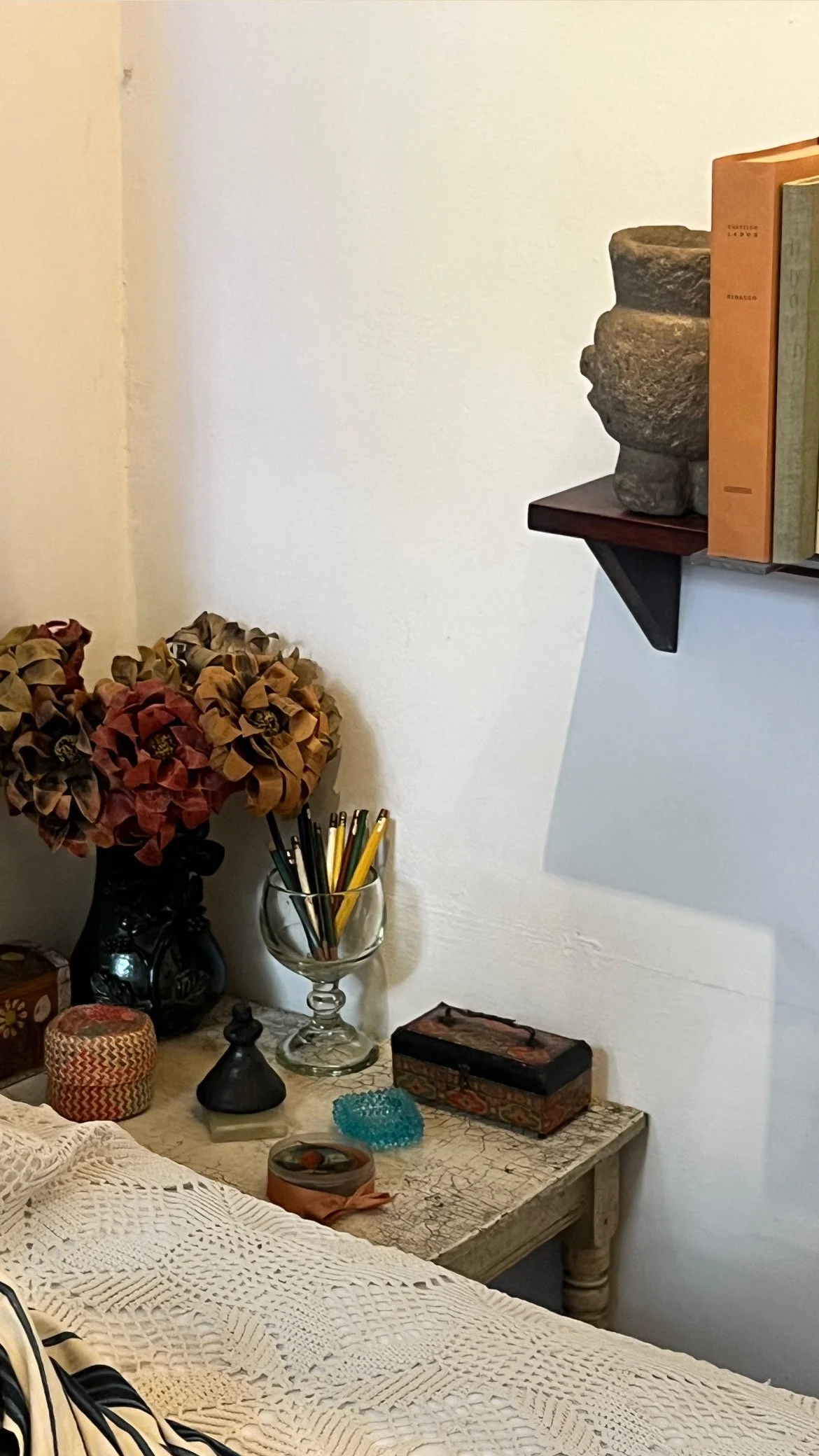
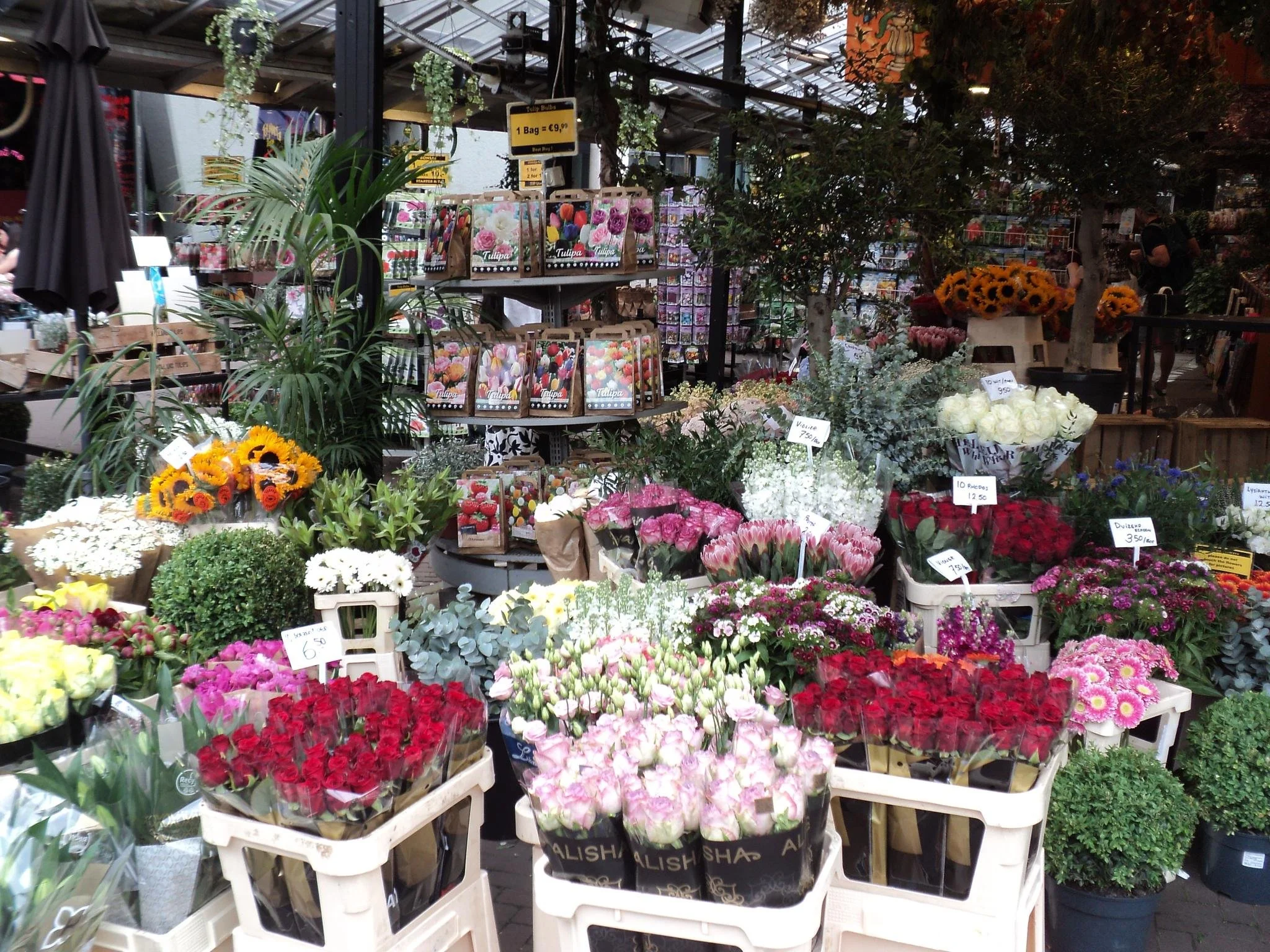
a digital camera image of a flower shop in Amsterdam

Figure 1. a flower shop in Amsterdam

The longing for certainty.

There’s this trauma we face on a daily basis: the experience of not being able to feel certain. The uncertainty of not knowing whether we’ll be able to meet the earnings we hope for at the end of the month (i.e. the ups and downs of entrepreneurship, finding a job we like, budgeting when we feel sad) or the anxiety of wishing joy and safety could show up more consistently, in case it leaves.

Often times we witness the celebration of the idea of creativity while simultaneously seeing systems create spaces that make creative exploration difficult, feeling like imagination is impossible for regular folks who have to grind, work, worry, and choose from scraps.

 There is a major disconnect between valuing creativity and believing it can be cultivated. Many people have internalized the idea that creativity is something you either have or you don’t.

But creativity is not a fixed trait: it expands the more we practice and nurture it!


Don't stop wishful thinking because that is what they want us to do.

When we stop imagining, it isn't just a stuck feeling, it bypasses our awareness of what's happening around us structurally.

 We are living in a time where imagination is increasingly squeezed out:

  • 50% of Canadian 15-year-olds believe creativity is something that cannot change (a fixed mindset).

  • Only 23.5% of applicants from one of the country’s largest arts grant programs received funding (2024–25).

  • The federal government has planned to cut $75.9 million arts and culture programs by 2028–29.

  • 85% cuts from government funding for non-profit organizations who build resources that specifically help underrepresented folks in the community

Not going to include more because we get the gist and we know they're specifically targeting communities that need resources. Everything is political. 

When creative spaces disappear, we don’t just lose art. We lose spaces where people practice imagining futures that are worth living for. 


Certainty is a trap

We become attached to “what is” because certainty and staying in the comfort zone (avoiding looking at what's uncomfortable) feels safer than imagining alternatives. 

 The contradiction to certainty is that imagination flourishes in uncertainty. The very thing we resist may be the condition that allows creativity to exist.

 We enter our own crisis: where we fear and distract (usually being harsh toward ourselves). We compare and lose grounding in what we desire and value.

 In an effort to resist this uncertainty, to make space for something beyond it, we can begin going against the usual grain of productivity and pace, one practice at a time. Maybe we can emphasize creative practices that align with a pace that supports our nervous system, or build consistent habits centered around wonder and play.

During uncertain times, imagination is how we begin to create what does not yet exist.

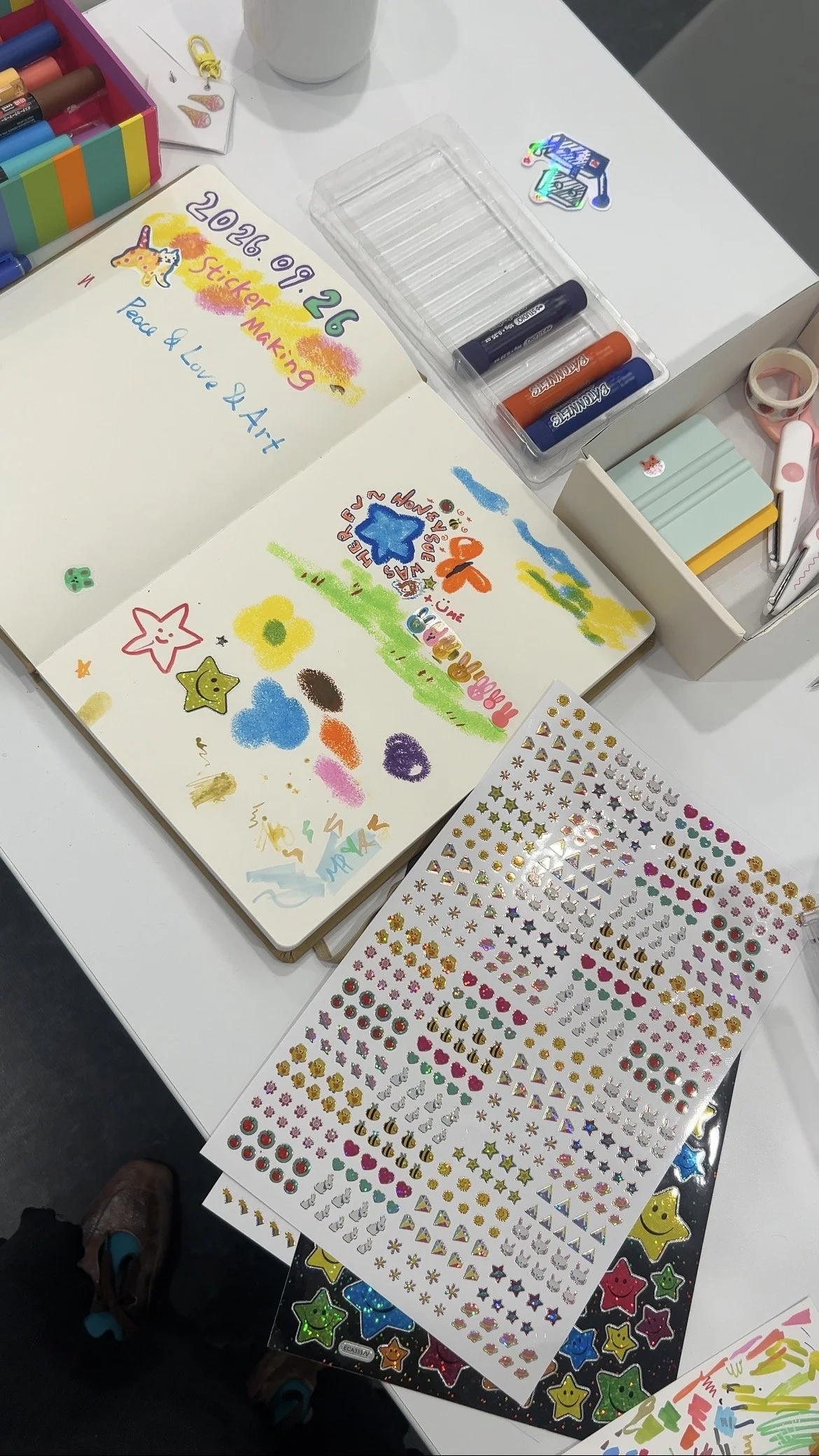
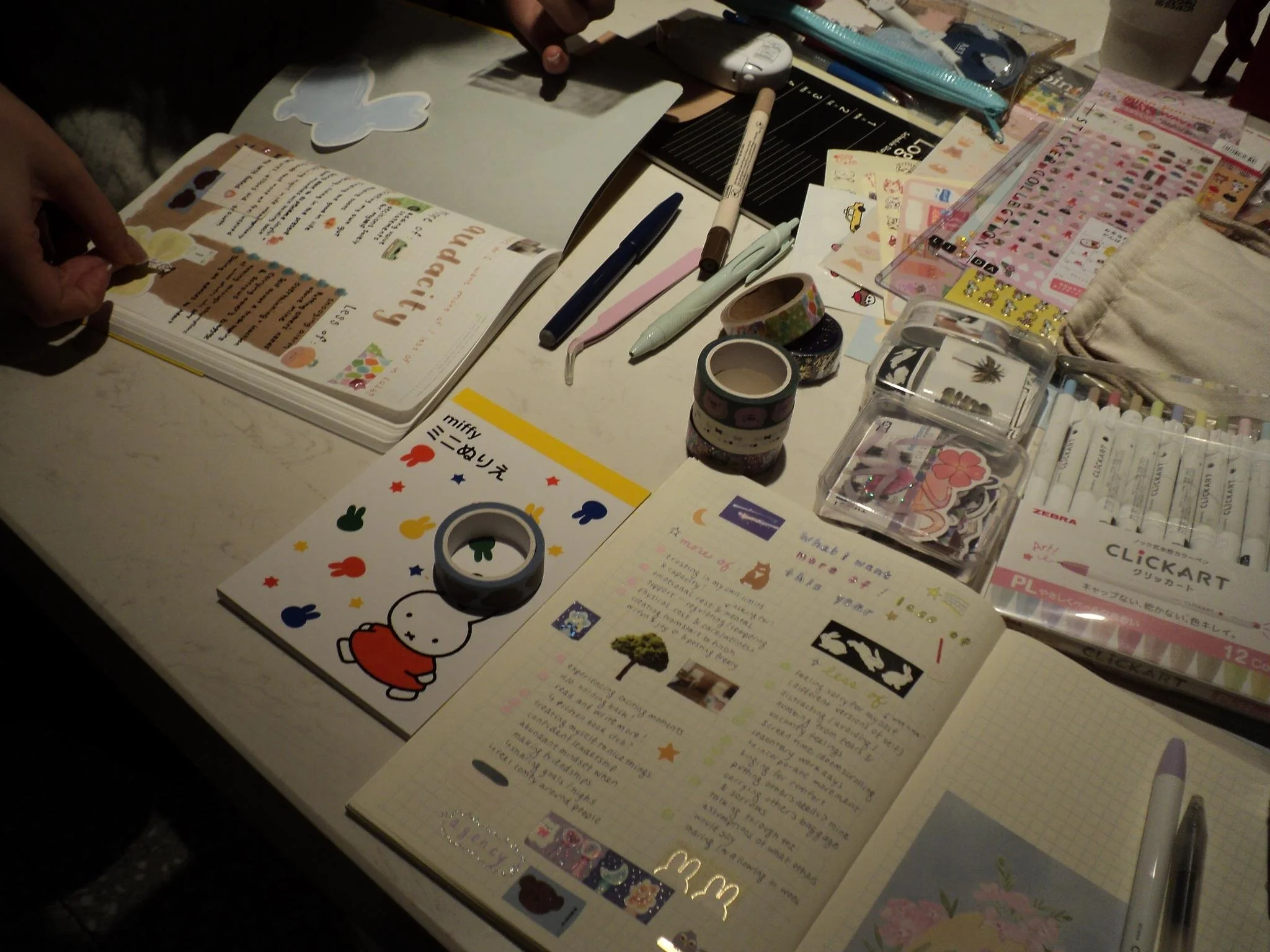
an art journalling spread (aka craftivism!)

Figure 2. an art journalling spread (aka craftivism!)

Building courage for agency / possibility / choice

 My clients always hear me say, trauma and systems of oppression make up stories to keep us stuck. 

 When we look for and create exits, we build new patterns that help us get unstuck!

 It’s about time we treated creativity as something NOT optional or reserved for those who are privileged with time and resources.

 What if creativity was something vital to our personal and collective health? And imagination is that necessary tool for creating futures we actually want to live in. 

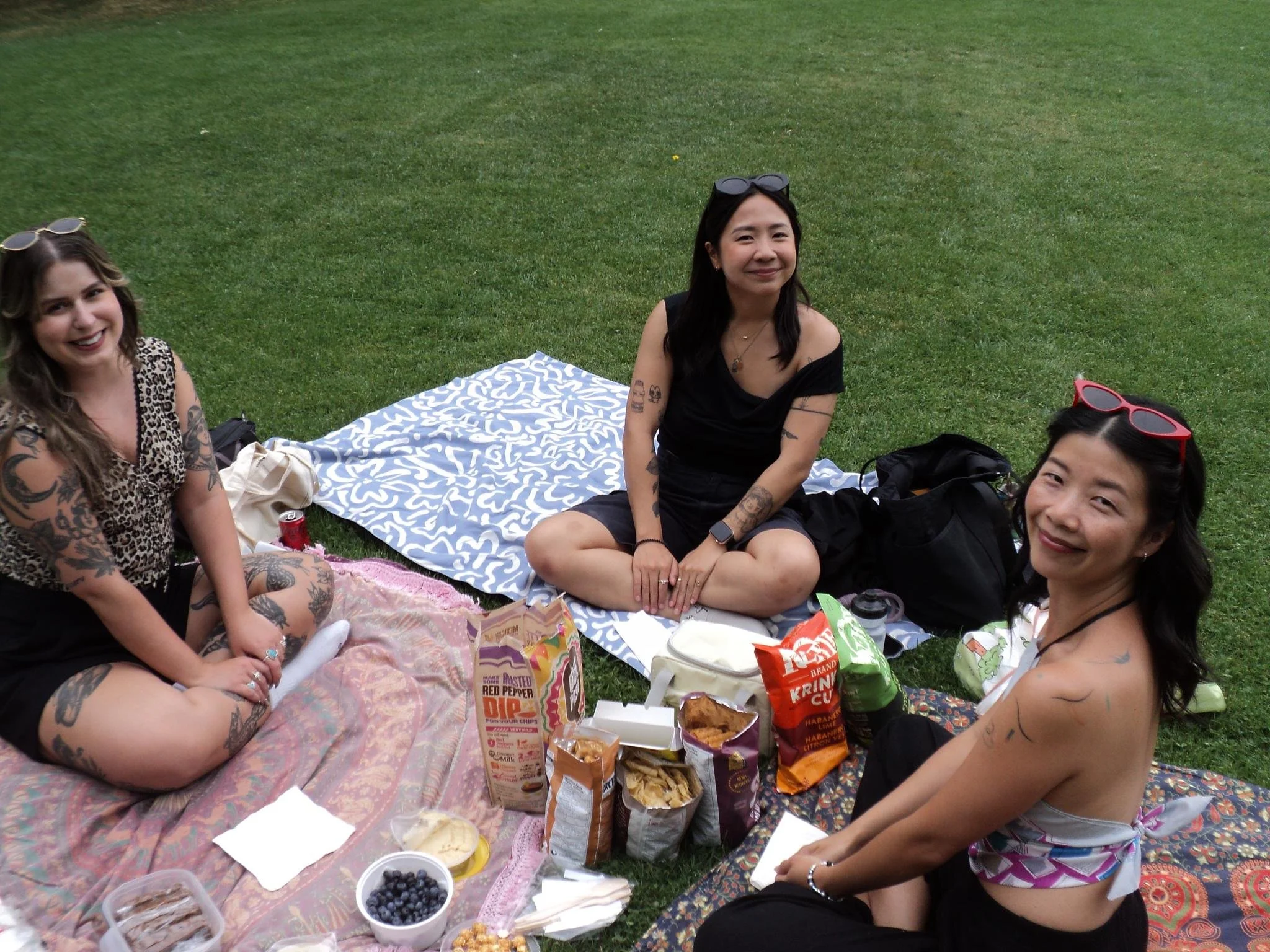
Decipher team hang and a heartfelt send-off for Chloe

Figure 3. Decipher team hang and a heartfelt send-off for Chloe ✿

Here are some practices for building imagination!

 ☆·•. When we stop filling the space, we make room for possibility. One creative practice I often share with clients is to intentionally sit in boredom for a few minutes each day. Not to force productivity or to create something beautiful to share with the world, but just to notice whatever comes up.You might be surprised to find that the spontaneity that emerges in these moments can feel a lot like tapping into our imagination. Creativity, new perspectives, and even a deeper awareness of our surroundings can emerge in the very moments we are constantly trying to fill, avoid, or distract ourselves from.

Boredom creates space for something to emerge from nothing. It gives us room to wonder, imagine, and play with possibility.

☆·•. If you cannot be with boredom (like if it's highly uncomfortable for you), try morning pages / free-flow writing (inspired Julia Cameron) or any stream-of-consciousness writing done first thing in the morning. It's to mimic and practice the act of expressing with a beginner's lens instead of activating inner critic and perfectionism. Or craftivism, invite your community to intentionally craft together, share notes, build a space for intimate social change.

☆·•. Build an imagination practice by going on dates with nature. Our imaginations are rooted in the natural world. Being outside in nature puts us into a state neuroscientists call soft fascination, in which our mind is at ease, we feel immersed in our surroundings and we have the cognitive freedom to daydream. 

Deliberately going outside before sunrise just to hear the dawn chorus. Forest bathing to reconnect to a different pace when we are ‘feeling behind’. Or timing your walk during blue hour to experience liminality: a threshold between worlds. 

Liminal spaces can loosen our usual patterns of thinking and make room for reflection, storytelling, memory, and possibility. The softer, dreamlike quality of the light may help us access a more imaginative state to soak in the unwinding of the natural world from the day.

 ☆·•. Reform, resist, build, heal! When we imagine different futures, beyond what the systems want us to surrender/feel imprisoned by, we are actually engaging in transformation. 

 Reform by expanding beyond the limits of what is currently available to us, resist by directly confronting systems of oppression, build new institutions and relationships that reflect the world we want to inhabit, and heal by tending to individual and collective trauma while making room for joy, rest, and connection. These are interconnected practices invites us to imagine, create, and participate in a more just and life-giving world.

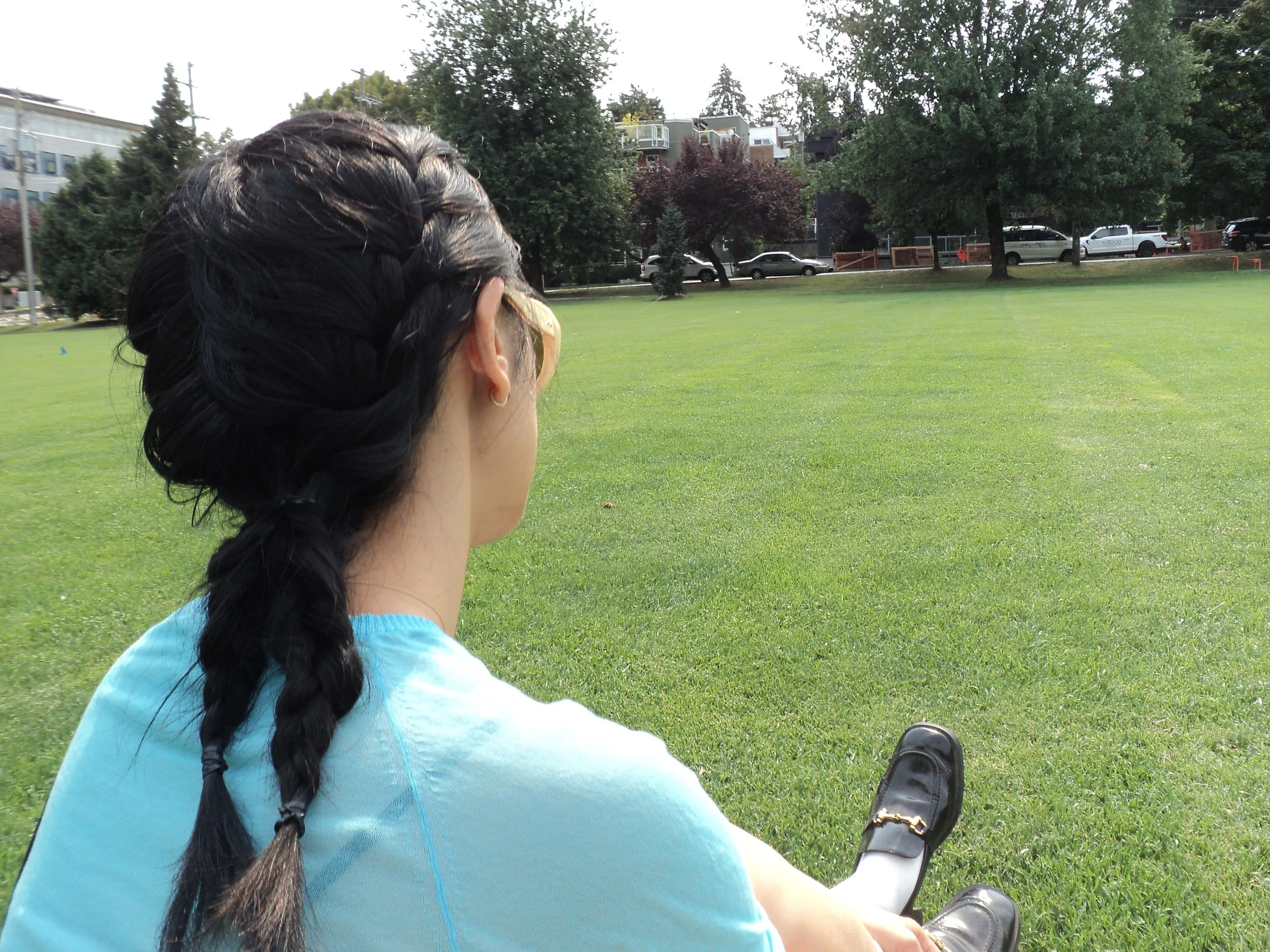
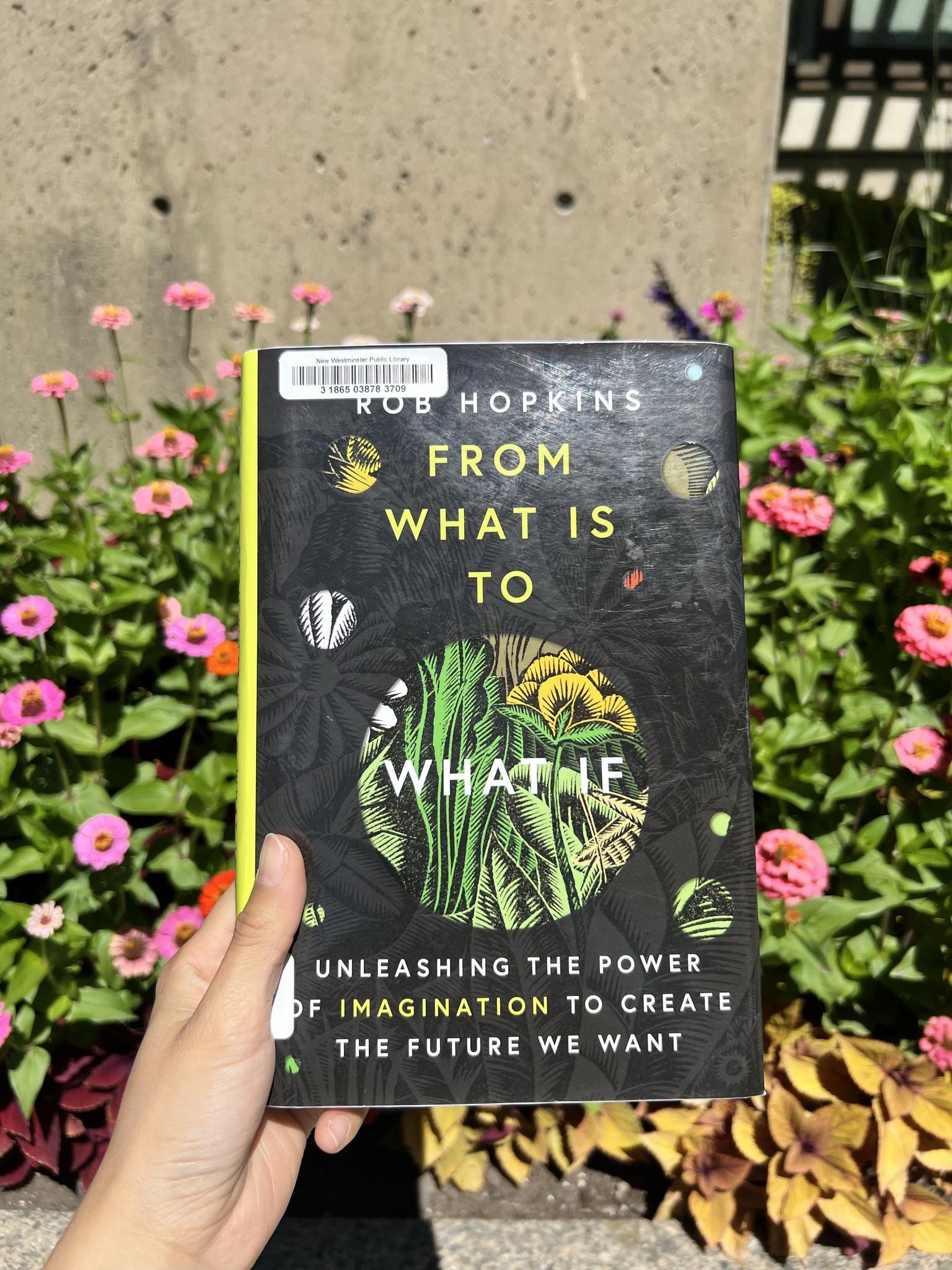
Figure 4. one of my summer reads

This blog post was inspired by my recent summer reading of From What Is to What If by Rob Hopkins, alongside my own reflections on the role imagination plays during precarious times as I know a lot of us are navigating uncertainty. This is the rare experience where I explored ideas in one go without stopping and doubt. I believe that this is a little gift from the universe to share this writing to you.

Last thoughts before I sign off:
• Imagination is and will always stay resilient.

• Imaginative play, creativity, and inventiveness are always choices we can return to; they are always there for us

• We just need to make space for them… and when we do, they begin to grow again.

Imagination carries a strong, spontaneous energy that control and certainty do not always approve of at first. 

Perhaps that is exactly why we need it.


Rooting for your creativity, resistance and joy First name / friend,

Linda ♡


Art therapy prompt for trauma healing (video)


Explore a gentle art therapy prompt designed to support trauma healing, emotional processing, and self-reflection. In this video, you'll create an "altar of suffering and joy" using therapeutic art to deepen self-awareness and reconnect with your creativity.


Art as therapy prompt for trauma healing
 

Written and filmed by Linda Lin, RCC RCAT

Sometimes we find ourselves visiting the altar of suffering more often than we visit the altar of joy and curiosity, when really, we get to choose which altar to walk toward.


Both altars are important to visit. The movement, weaving in and out of the altar of suffering and joy/curiosity, is what supports trauma healing.

In this video, we touch on:

✦ joyful art materials
✦ reflective questions when making art
✦ the art as therapy experience
✦ how to process with your artwork
✦ the importance of the 'milieu'
✦ trauma healing via creative expression
✦ the ETC: Expressive Therapies Continuum

This therapeutic art prompt may help you:
• process emotions
• practice self-compassion
• reconnect with your inner world
• hold grief and curiosity
• unblock creativity without needing to figure everything out
• heal perfectionism: making marks, releasing feelings in a safer way

So go grab your sketchbook, some found art materials, sit at a place of your choice and let's make some art for your wellness!

Important note: This would make an excellent creative prompt that don’t necessarily require you to draw/paint it. Feel free to visualize this through a meditation, build a metaphor or a sculpture, make a song or poem or dance…any creative way to bring this practice into your weeks ahead!

If you're curious about art as therapy for healing but aren't ready to begin 1:1 art therapy, Rooted in Ease is a self-paced, creative online course designed by an art therapist, Linda Lin 林诗云, and co-hosted with Leah's Fieldnotes 魏若然.

Through eight workshops, you'll explore art therapy–inspired prompts, somatic mindfulness practices, and reflective conversations to begin healing your relationship with money and ease money anxiety.

Hoping you make space to unleash that creative voice of yours into the world! ☆

Linda


Fall/Winter community & art therapy workshop schedule! ✏️
 

monthly TEAR CLUB! (a soft space for inner child-like joy) with Chloe, our art therapist / counsellor.ᐟ.ᐟ ˚⊹

✮ weekly OFF-SCREEN HOURS digital detox drop-ins with our interns, Nikki (art therapist/counsellor-to-be) and Michelle (counsellor-to-be) .ᐟ.ᐟ ⋆˙⟡


Need an artist date ASAP? No idea where to go on a rainy weekend? 


Join us at tear club! with Chloe: ​Welcome to tear club!a monthly, soft-guided, open studio style collage workshop. Every month, we will connect with our inner child-like joy, with the Sanrio character, Pompompurin as our cheerleader for November!


​why tear club? ✂️✨

A lot of us want to slow down but don’t always know how.


the purpose of tear club is to…

⭑ calm/connect with your nervous system to reduce stress levels.

⭑ spark creativity + problem-solving skills!

⭑ build social connections + feelings of joy outside of work/capitalism.

⭑ embrace our imperfections with curiosity instead of pressure.

📅 Upcoming: Sunday, Nov 23rd @ 1:30pm - 3:30pm

​🎟️ Tickets: $20 ; 6 spots max! Save your spot

​📍Location: Decipher Counselling Art Therapy Studio
Room #316, 402 W Pender St, Vancouver

🍎 About the Facilitator:

𖦹 Hi, I’m Chloe! Currently taking on new clients for individual therapy sessions!
𖦹 Qualifying counselling art therapist + art school grad
𖦹 Avid Sanrio fan + recovering perfectionist
𖦹 tear club! is my way of mixing nostalgia, comfort + the healing power of art.

Follow Chloe's art on Instagram @hichloekwok and if you’d updates on future art therapy workshops, check out @deciphercounselling or visit our website.


Lately we’ve been feeling how hard it is to be human in a world that never stops. 

Notifications, deadlines, the pressure to always be available and productive. We’re constantly connected, yet more disconnected than ever.


Off-Screen Hours is a space to step away from the noise. 

To rest, make art, and heal in community.

Intentional breaks from screens and the grind of constant doing, slowing down long enough to feel present again. ˚⊹


⊹ ࣪ ˖ Series 1: Digital Disconnection explores how technology shapes the ways we connect, communicate, and care for ourselves
 

Nov 14 → Algorithmic Lonelinessisolation in the age of constant connection (1 spot left)


Nov 21 → Digital Ghosts what remains of us in digital spaces, and releasing what no longer serves us (4 spots left)


Nov 28 → Lost in Transmission — what gets lost in digital communication: the emotions and presence screens cannot carry (5 spots left)


Expect gentle art making, reflection, and conversation as we find our way back to ourselves and each other. ˚⊹


📅 When: weekly Fridays 3-5pm starting on Nov 14th.
🎟️ Tickets: $20 / workshop [coupons on lu.ma]
📍 Location: Decipher Studio B [room 317 - 402 west pender st.]
max 5 participants | masks encouraged


Your facilitators:

Nikki Hayashi (she/her), a mixed-race, neurodivergent, and queer practicum counselling art therapist grounded in intersectional feminism + narrative therapy. Helps you reclaim the stories that feel most true to you.
 

Michelle Jeong (she/her), a queer, neurodivergent, chronically ill practicum counsellor and eldest daughter of Korean immigrants. Brings warmth, curiosity, and 10+ years of supporting survivors & folks navigating trauma.


We believe rest is resistance, and that healing happens together.

✨ Come as you are. Take a breath. Log off for a while. 🌳