

For those who enjoy longer-form content to pair with my newsletters and blog posts, I launched a YouTube channel where I'll be talking through topics I'm exploring and sharing in a different format.
An Ethnography of Familial Love
Written and filmed by Linda Lin, RCC RCAT
This blog post reflects on the complexities of familial love. What it takes to address and heal intergenerational wounds. What if intergenerational work isn't learning to demand more, but learning to be with each other in ways that don't always come from a place of fear or suffering?
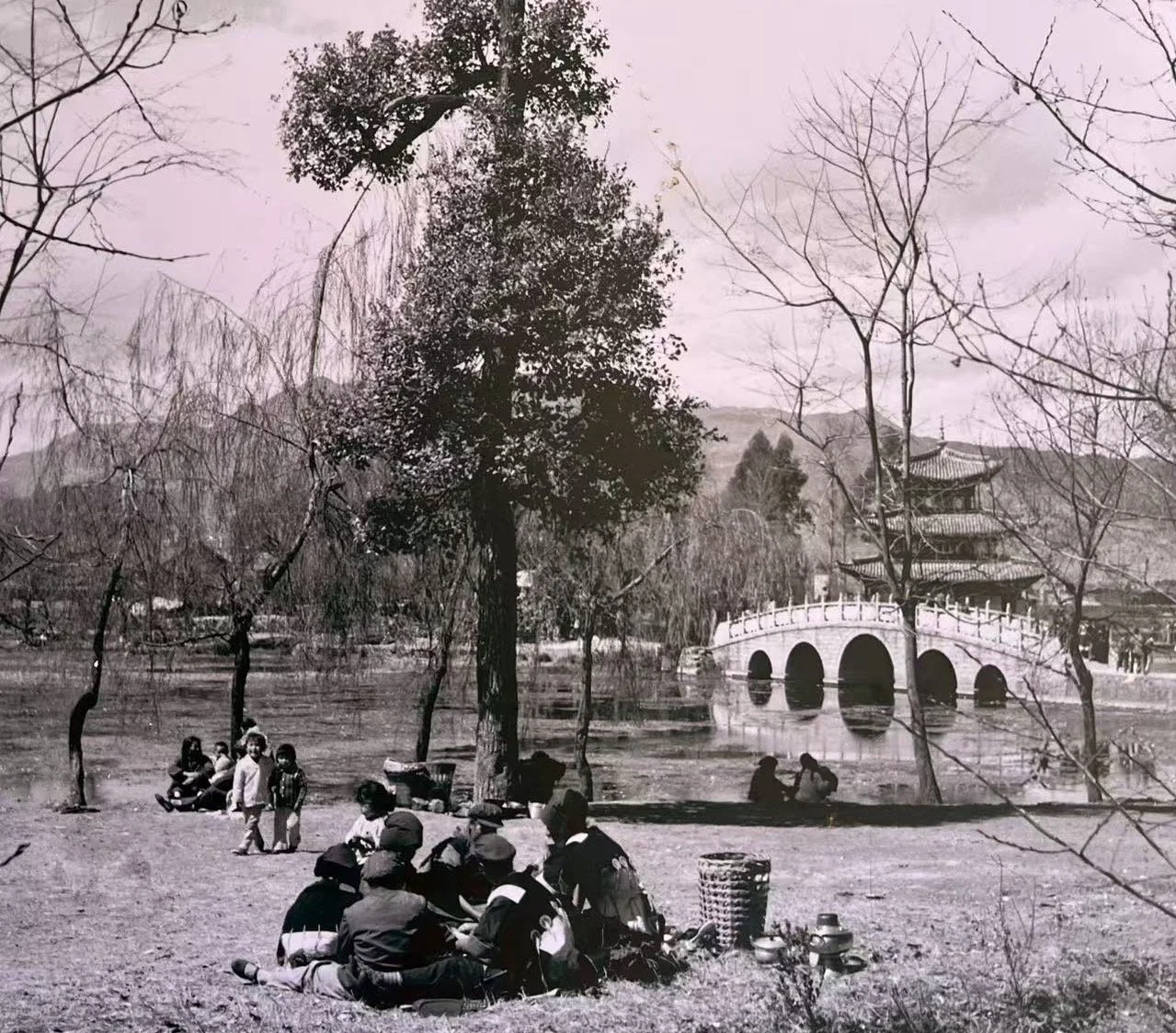
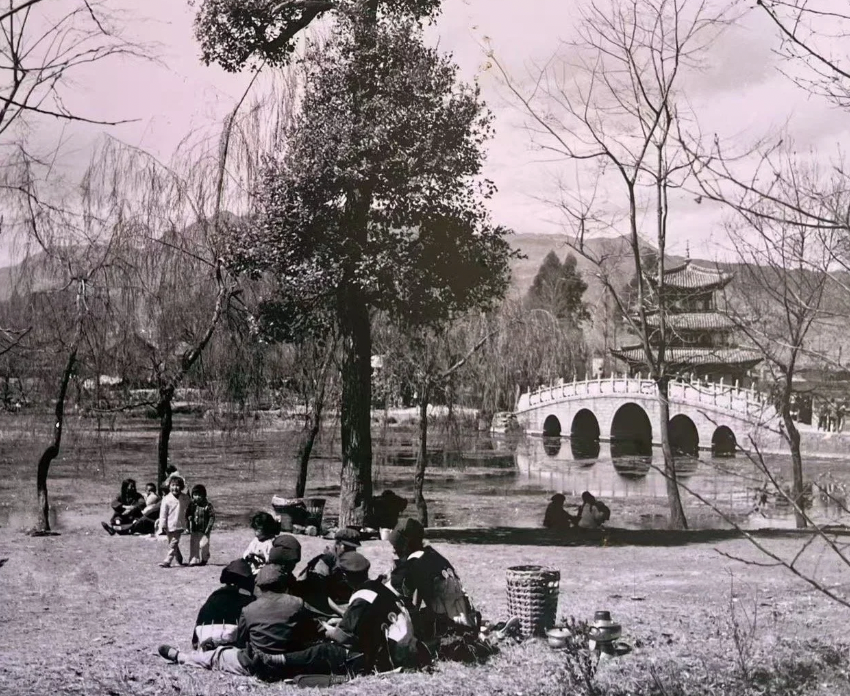
Figure 1. Black Dragon Pool / 黑龙潭, Lijiang, Yunnan 1960s
Back in March this year, I revisited Lijiang in Yunnan province, China. It's on the edge of the country that not many folks are aware of, next to the borders of Myanmar, Laos and Vietnam. I've been holding this trip close, wondering how to share intergenerational insights I gathered from my lineage who happens to be part of a well-known indigenous clan (aka. an ethnic minority).
I come from a family where the torch passed down through the past 4-5 generations has been one of peace-keeping, by not speaking up, or taking up too much space. They specialize in secret-keeping, zipping their lips on opinions, feelings and views. Which I always found difficult to understand.
It was my second time visiting. The first time, I promised my extended family I would do my best to bring my mom and sister back with me.
My mother left Lijiang before she turned 1, fleeing with her family from danger. She never returned until this year, nearly 65 years later. My sister, too, hadn't stepped foot in China for almost 20 years. So there was an unspoken pressure and hope among the relatives who had stayed that this homecoming would be a meaningful one.
They welcomed us with open arms, with more generosity and warmth we imagined. They made me feel like I belonged to this family and this lineage, even as so much of its history, language, and traditions remained unfamiliar to me…having born and grown up overseas. I couldn't help but feel like both an insider and an outsider despite their efforts.
I arrived with fresh eyes, like an ethnographer, eager to learn about the Naxi people (纳西族), my mom's ethnic minority/indigenous clan, and the stories and conditions that shaped our family.
What I found out about my family and their responses surprised me… in ways that were more complicated than I expected.
Intergenerational grief and history
My uncle from Lijiang brought my sister and I to a courtyard of Lai family mansion which now belongs to the government. I noticed a weighted tension with each step. He shared that my great-grandfather once worked and lived with the family, as a doctor treating villagers, prominent and affluent, before everything changed in the late 50s.
My family was exiled to a horse shed overnight. My great-great-grandmother was severely punished to death, after being turned in by a family member whose name we don't speak. They sold furniture and rugs for pennies. My grandmother sold tea eggs on the streets and was forcefully separated from my grandfather before fleeing with her children (one of them being my mom), teaching them to hold their tongues, because speaking up could mean fatal consequences.
It's been difficult to feel the full weight and messages of intergenerational grief: layers of confusion, lost dreams, autonomy, erasure, anger, sadness only show up in hues. To be frank, I can't predict when or if this kind of grief will ever be completely processed in the bloodline.
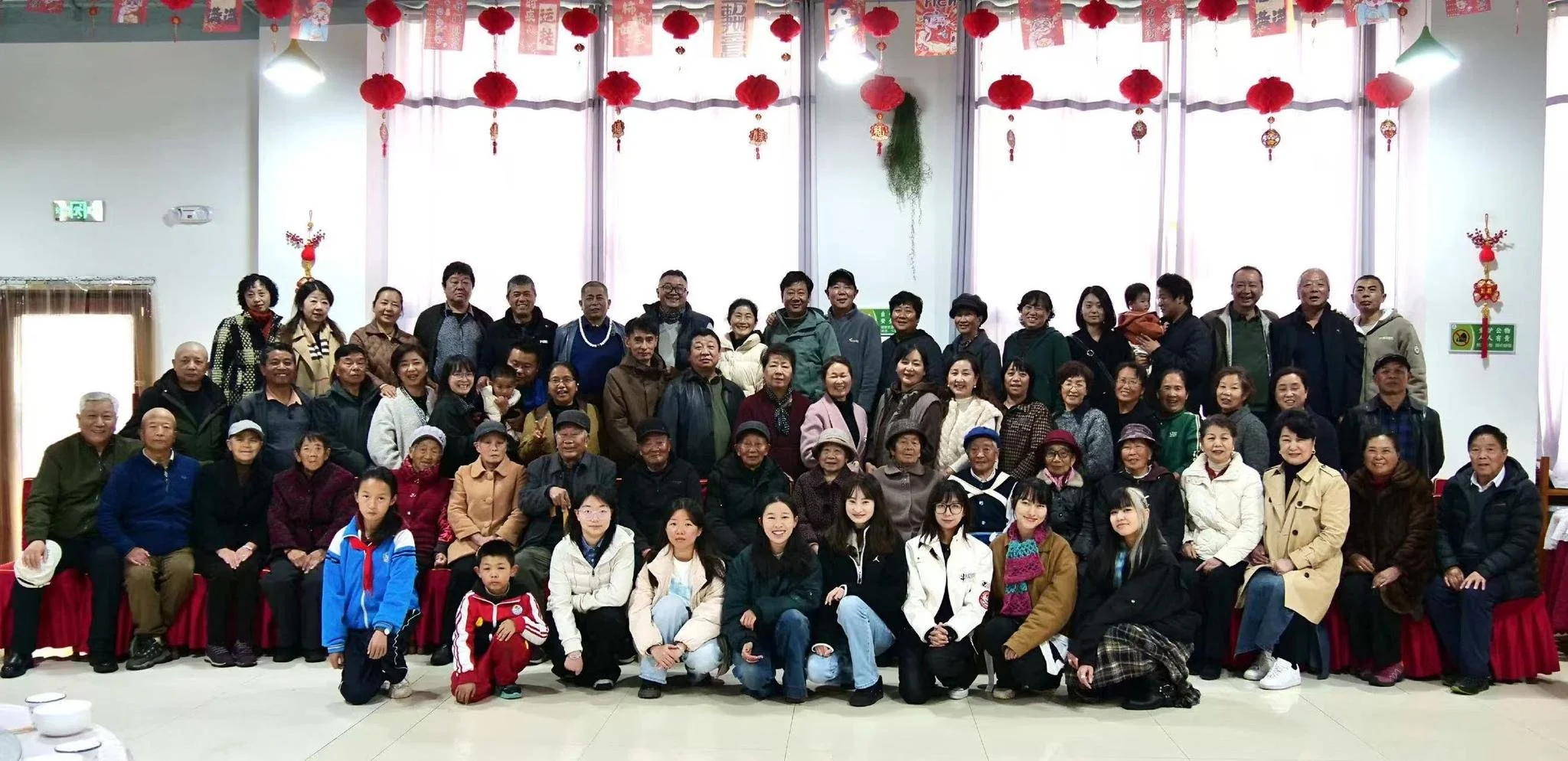
Figure 3. 4 generations of Lijiang family welcoming us
I was stunned to see 80+ close and distant relatives show up to welcome my sister, my mom, and I. They showered us with warmth, their time, the best food, stories of each home and sites tied to our lineage. Although all of them holds different politics, different worldviews, different ways of healing, they centered in on familial love. There was something beautiful in that: being in the diversity together rather than needing everyone to agree to a degree first.
Money anxiety
I noticed a pattern that most of the family members have 'superstitions' or anxiety around money, either rarely bringing it up at all, or sharing the sentiment that they shouldn't ask for more to be able to live well. That whatever they get is what probably what's best for them.
This showed up when they asked me what the current climate living outside of China is like – asking with fascination and curiosity. I could send that they wanted to share they'd like to also go on fun trips outside of their province or country and explore but would shut the fantasy/dream down before it could be a topic of interest.
There's this confusing, guilt-like feeling showing up: wondering if their efforts toward community-building, instead of voicing/chasing their raw hopes, were what allowed me to come back to Lijiang, to go on these trips, from a foreign place of privilege, distance, culture.
Looking to heal $ wounds in a self-paced, creative, online space? Check out Rooted in Ease! (8 workshops incorporating art as therapy prompts, somatic mindfulness practices, conversations to start healing $ anxiety)
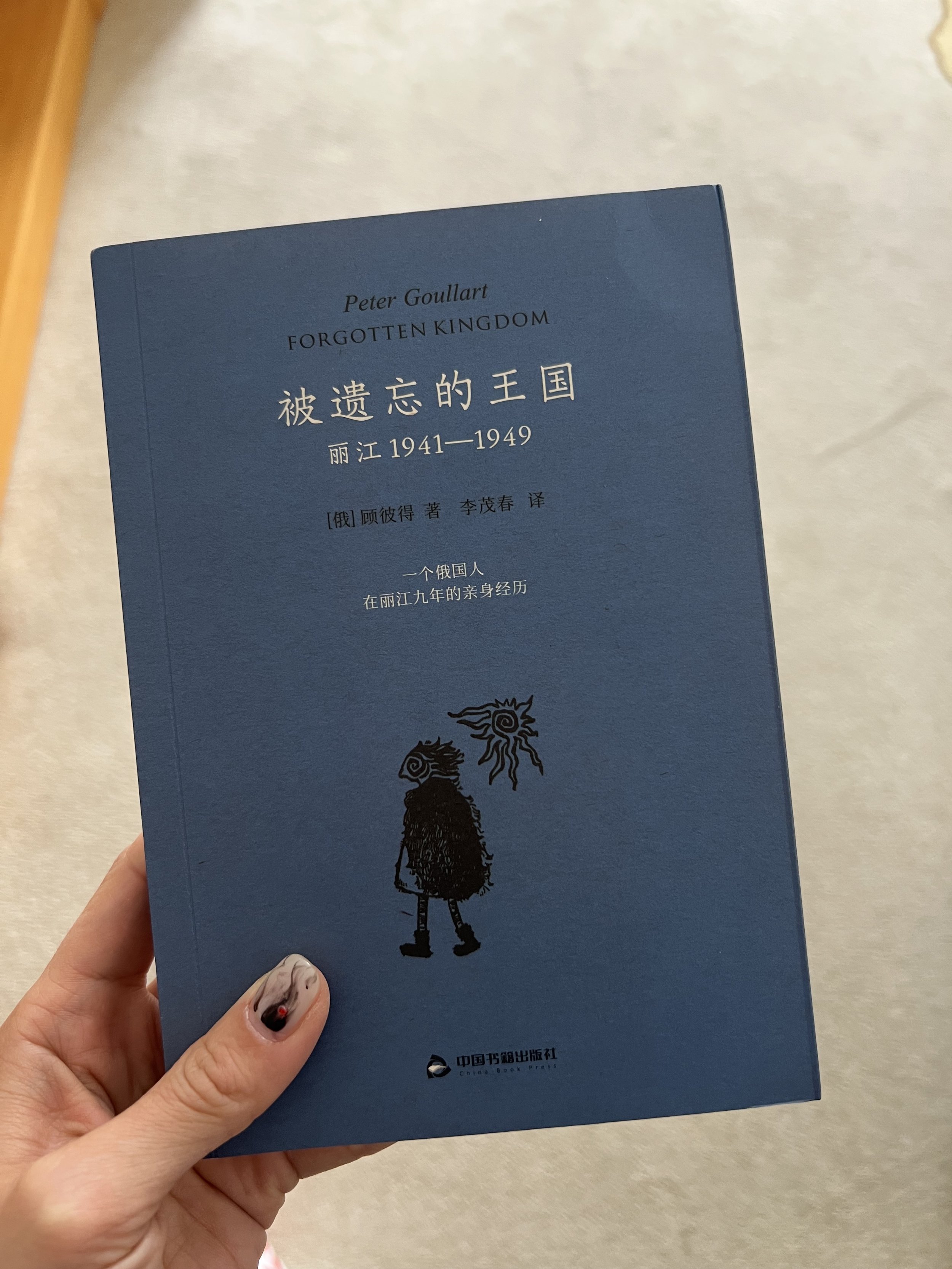
Figure 4. A foreigner's insights on Lijiang, with mention of my family clan (this book was banned for 50 years)
It's both of this and the other
I was told there were 3,000+ descendants of my family lineage still living across Yunnan province. This is proof that despite everything that hurt them, they survived the best way they knew how. Hardship and commitment was the social glue holding thousands of people together across a province.
It's moving and sometimes hard to believe that most of the lineage stayed loyal through peacekeeping, not to share too much: of the very good and the very bad. This familial bond, by circumstances none of them could control, if I'm honest in dissecting it, is both a blessing and a curse for their relationships.
The things that help with survival can later on come at a cost. My mother have always been a private person. She learned early that endurance, ducking her head down, focusing on education/work would get her the peace and security she needed to survive. I watched her grow into her adulthood rarely advocates for herself, asks for more, or deviating from that lane.
I asked my mom more questions than she probably expected, really challenging her…
Questions like,
“What's your view on money?”
What do you think about your family here?"
Reconnecting after being nearly 65 years apart, her responses came short, like interviewing a stranger. At first that really frustrated me. I wanted to pry like Oprah in the 90s asking questions with a sense of expectation of a certain kind of charged response or gossip.
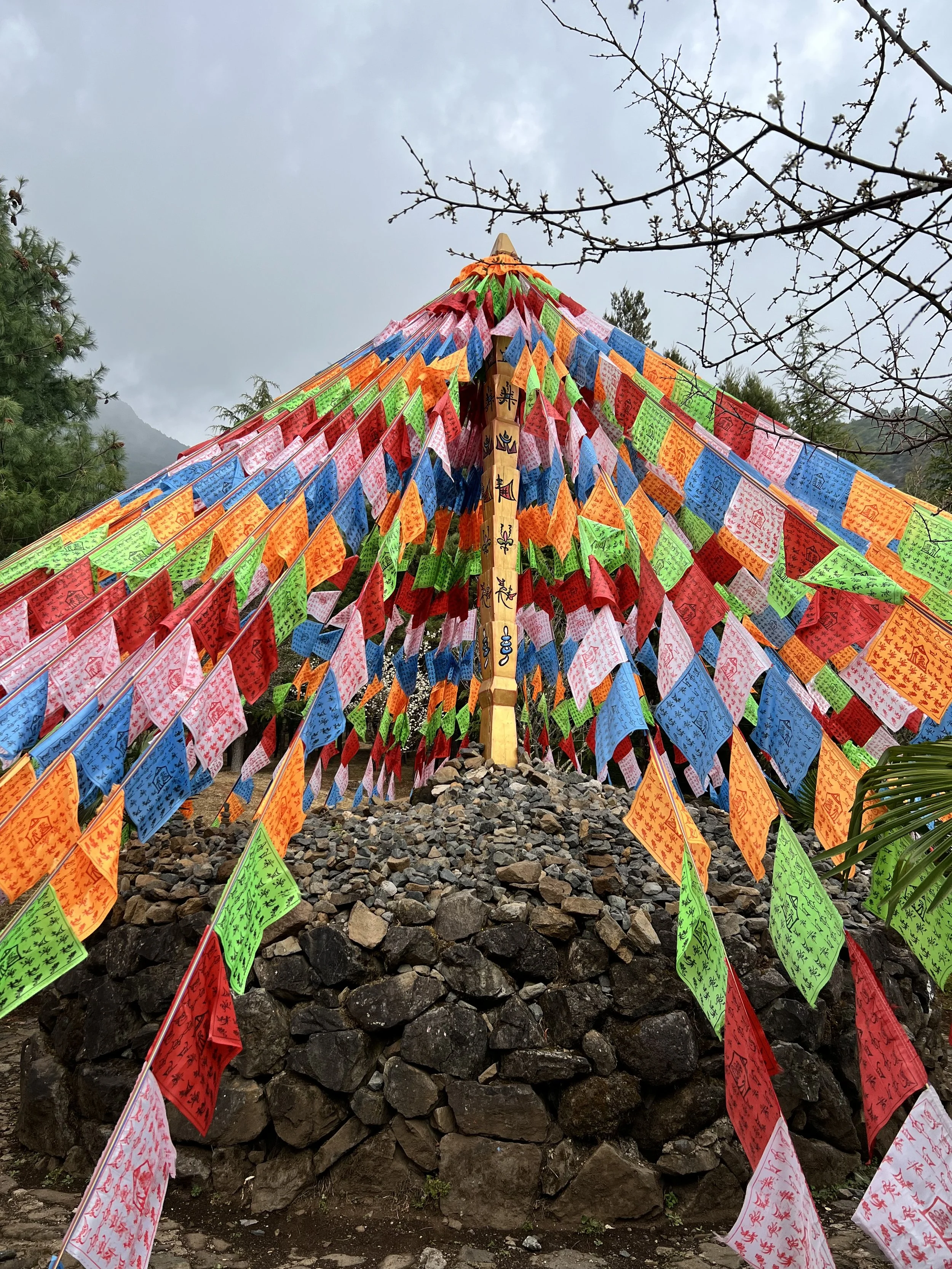
Figure 5. A Naxi prayer burial with Dongba script, the only hieroglyphic pictograph that is still in use in the world today. (Note from Linda: this is Indigenous resistance!)
Attachment of outcome = suffering
I realized that not getting the responses I expected and wanted is a form of suffering on my end. It illuminated just how much it can take to address hard things. I see things a bit differently now. Those short answers were her genuine reflections. It made more sense once I learned that before her identity as Naxi was treated as something to hide rather than celebrate and that her childhood was a difficult period to recall and process. I can understand why she never returned to Lijiang, and it's fortunate that she eventually did this time.
I realized being an ethnographer means to go in with reflexivity, humility (which is straightforward to practice in my role as a therapist but extremely hard when it comes to my family), experiencing the subjective nature of learning one's cultural and generational experience, making room for both their childhood view of the world and the adult one, then translating these moments into insights. This practice and its embodied values are humbling to how I'm learning about my lineage and intergenerational healing.
What if intergenerational work isn't learning to demand more, but learning to be with each other in ways that don't always come from a place of fear or suffering?
Transparency and sharing dreams still aren't natural to me…yet. I have been conditioned growing up to hold my tongue instead of speaking of my dreams and hopes, my inner most truest thoughts, of joy and of suffering, especially if it has to do with family. What's allowed have been topics that are socially acceptable, in the family and in the dominant culture, and only after I've already processed them privately. It's a niche, calculated kind of showing up.
What if we let familial love be honest in its unpredictability, confusing, messiness, instead of needing it to be certain?
What if we trusted in ourselves that we could create boundaries and ways of relating that support us, without leaning on the family bond to hold everything, and trusted that doing so would be okay, not unsafe?
Art as therapy prompt: The altar of curiosity vs. the altar of suffering
[ I will be creating a video on making this art prompt very soon! Stay tuned! ]
(Important note: This would make an excellent creative prompt that don’t necessarily require you to draw/paint it. Feel free to visualize this through a meditation, build a metaphor or a sculpture, make a song or poem or dance…any creative way to bring this practice into your weeks ahead!)
A client of mine shared something that's stayed with me this month: that we may be visiting the altar of suffering more often than we visit the altar of joy and curiosity, when really, we get to choose which altar to walk toward.
Choosing is available to us, again and again. Curiosity can be the new tool that carries the torch of healing generational trauma from a place of love, joy and wisdom.
I'd like to think that bringing my family together, listening to their stories they so humbly shared with me, and writing out what I am learning is how I'm beginning to break the cycle of suffering and into familial love and joy.
Let me know your thoughts if you’ve been dealing with the complexities of intergenerational family dynamics.
Until next time,
Linda